

10 Signs of High Quality Specialty Coffee
Table of Contents
- What Makes Specialty Coffee Different from Commodity Coffee
- 1. A Cupping Score of 80 or Higher
- 2. Visual Bean Integrity: No Defects, No Quakers
- 3. Flavor Clarity and Sensory Complexity
- 4. High-Elevation Origin and Traceability
- 5. Coffee Roast Date Importance and Freshness
- 6. Specialty Coffee Roasters Who Roast to Order
- 7. Processing Method Transparency: Washed, Natural, Honey
- Quick Reference: The 10 Signs at a Glance
- 8. Equipment Standards for Brewing
- 9. Staff Training and Barista Expertise
- 10. Sustainability as a Quality Metric
- Frequently Asked Questions
Last Updated: September 24, 2026
What Makes Specialty Coffee Different from Commodity Coffee
Specialty coffee scores 80 points or higher on the Specialty Coffee Association's 100-point scale, a grading system built on cupping score, bean defects, and flavor clarity. Iron Spur Coffee roasts to order from high-elevation estates because origin and freshness decide most of what ends up in your cup. Below are 10 signs of high quality specialty coffee.
The SCA Cupping Score: Your First Sign of Quality
The SCA cupping score is a standardized 100-point evaluation where licensed graders score ten attributes, including fragrance, flavor, acidity, body, balance, and clean cup. A coffee needs 80 points or higher to earn the specialty label; below 80 is commodity grade.
1. A Cupping Score of 80 or Higher
A cupping score of 80 or above is the clearest sign you're drinking true specialty coffee. Scores of 80-84.99 are "very good," 85-89.99 are "excellent," and 90+ are "outstanding." Most single-origin bags worth your money list a score or reference the farm and lot behind it.
What the Numbers Actually Tell You
The score isn't a flavor rating; it's a defect and quality assessment. High-scoring coffees have fewer primary defects, better uniformity, and a cleaner cup. That's why a well-scored Ethiopia Natural from Iron Spur Coffee tastes different from a random bag of "gourmet" beans.

2. Visual Bean Integrity: No Defects, No Quakers
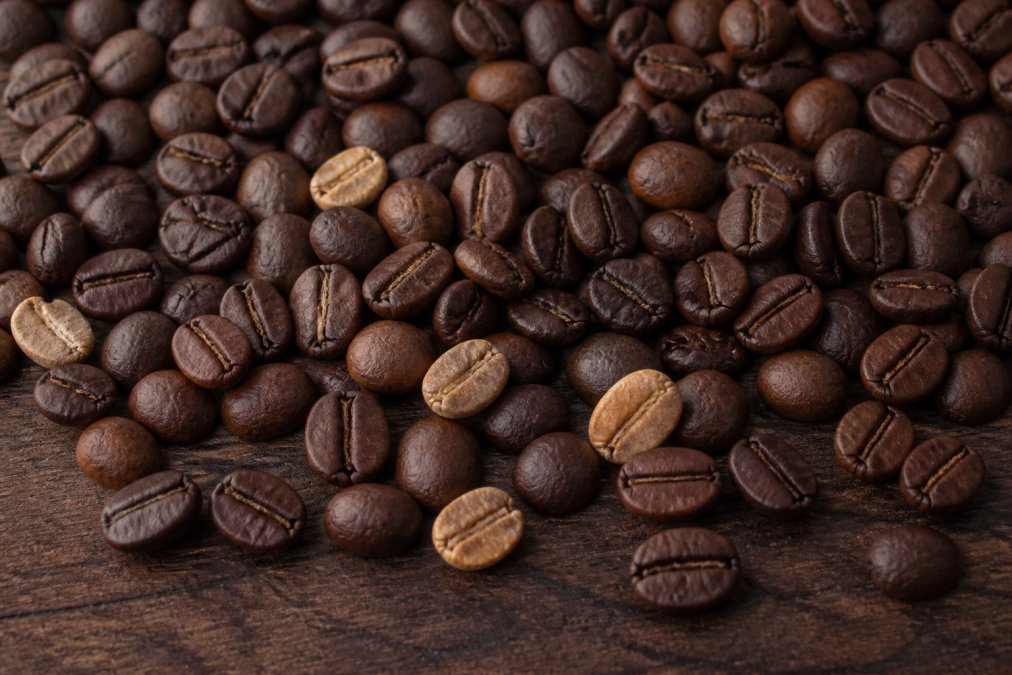
Look at the beans before you grind them. Uniform color, consistent size, and an even roast are the fastest visual check you can run: scatter a single-layer handful on a white plate under bright light.
A Visual Inspection Checklist You Can Run in Two Minutes
Work through these in order. Each maps to a defect class licensed graders catch on the cupping table.
- Color uniformity: Every bean should sit in the same narrow band of brown. A scatter of pale, tan, or near-black beans in the same bag means uneven development.
- Size uniformity: Screen-sorted specialty lots run consistent. A wide spread of peaberries, flats, and chips suggests the lot skipped or rushed screening.
- Surface texture: A smooth, matte surface with an intact center cut is normal. Blistered, oily, or cratered surfaces point to a roast pushed too fast or too dark.
- Center cut: The seam down the middle of the bean should be clean and closed. A wide-open or charred seam often signals a baked or over-roasted profile.
- Chaff: A little silver skin is fine. Heavy, clinging chaff usually means under-development or a light roast pulled before first crack finished.
Defects to Watch For, and What They Taste Like
Bean defects are not cosmetic. Each has a flavor consequence:
- Quakers: pale, underdeveloped beans that taste like peanut, paper, or hay. They never reached first crack properly, so their sugars never caramelized.
- Broken or chipped beans: usually a sign of poor sorting or rough handling. They extract faster than intact beans and throw off your brew.
- Black or sour beans: full defects that drag down an entire batch. A single black bean in a 12-ounce pour-over can flatten the whole cup.
- Insect damage (small round holes): a primary defect. A few are tolerable in a well-sorted lot; a scattering means the lot was not screened.
- Faded or whitened beans: often a sign of age, moisture damage, or poor storage before roasting.
How Many Defects Is Too Many?
The SCA's green-coffee grading standard counts defects in a 350-gram sample and assigns each a category and weight. The logic works at home: spread about 100 beans on a plate and count. More than a couple of obvious full defects means the bag isn't living up to its label.
3. Flavor Clarity and Sensory Complexity
Good specialty coffee tastes like something specific: bright orange, milk chocolate, jasmine, strawberry. That specificity is what sensory analysis and the SCA tasting wheel describe.
Home-Brewing Sensory Indicators Anyone Can Spot
You don't need a Q grader's palate to spot quality. Try these checks:
- Aroma: fresh-ground coffee should hit you before the water does. Flat or dusty aroma means stale beans.
- Acidity: bright, lively acidity reads as citrus or berry, not sour or vinegar-like.
- Body: a clean cup has weight without being heavy. Syrupy is fine; muddy is not.
- Aftertaste: quality coffee lingers pleasantly for 30 seconds or more. Bitterness that stays is a defect.
- Sweetness: natural sweetness should be present without sugar. If you need two packets to make it drinkable, the beans are the problem.
4. High-Elevation Origin and Traceability
Altitude matters more than most labels admit. Coffee grown above 1,200 meters develops slower, building denser beans and more concentrated sugars. That's why high-elevation estates like the Sidama Zone in Ethiopia or Nyeri County in Kenya produce the flavor notes roasters chase.
5. Coffee Roast Date Importance and Freshness
Coffee roast date importance can't be overstated. Coffee starts losing aroma and flavor within days of roasting, and the decline accelerates after two weeks. A "best by" date tells you nothing useful; you want the roast date printed on the bag.
What a Roast Date Really Tells You
A roast date within the last 7-14 days is ideal for filter brewing. Espresso often peaks between 5 and 12 days off roast. Past 30 days, you're drinking a shadow of what the roaster intended.
6. Specialty Coffee Roasters Who Roast to Order
The best specialty coffee roasters roast after you order, not before, eliminating the weeks of warehouse and shelf time that kill flavor. Iron Spur Coffee roasts to order using precision thermal mapping, tracking bean temperature through the roast curve to reduce bitter compounds from over-roasting.
7. Processing Method Transparency: Washed, Natural, Honey
The processing method shapes flavor as much as origin. Washed coffees taste clean and bright; natural coffees are fruitier and heavier; honey process sits between the two, with mucilage left on the bean during drying.
Quick Reference: The 10 Signs at a Glance
| Sign | What to Check | Why It Matters |
|---|---|---|
| 1. Cupping score | 80+ on the SCA scale | Baseline for specialty grade |
| 2. Bean integrity | Uniform color, no quakers | Visual proof of sorting quality |
| 3. Flavor clarity | Named flavor notes you can taste | Shows real sensory complexity |
| 4. Origin and altitude | Named farm, region, 1,200m+ | Density and sugar development |
| 5. Roast date | Printed, within 7-14 days | Freshness drives flavor |
| 6. Roast-to-order | Roasted after purchase | Eliminates warehouse age |
| 7. Processing method | Washed, natural, or honey listed | Explains flavor profile |
| 8. Water quality | Filtered, 195-205°F brew temp | Extraction depends on it |
| 9. Grind consistency | Uniform particle size | Even extraction, no channeling |
| 10. Sustainability | Fair trade or direct trade sourcing | Quality tied to grower investment |
8. Equipment Standards for Brewing
Great beans cannot save bad brewing, and bad brewing can hide great beans. Equipment standards matter because extraction depends on temperature, grind consistency, and water quality. Control them and you can tell whether a disappointing cup is the bean's fault or yours.
The Three Variables That Decide Your Cup
- Grind consistency: A burr grinder beats a blade grinder every time. Blade grinders produce a mix of dust and boulders that extract at different rates, so you get sour and bitter in the same sip. A burr grinder produces a narrow particle distribution, letting you taste the coffee instead of the mistakes.
- Water temperature: Target 195°F to 205°F at the point of contact with the grounds. Below 195°F under-extracts and tastes sour and thin; above 205°F over-extracts and pulls out harsh, bitter compounds. An instant-read thermometer is enough to verify.
- Water chemistry: Filtered water matters more than most people admit. Very hard water mutes acidity and flattens flavor; very soft or distilled water under-extracts and tastes hollow. A carbon filter or bottled water with moderate mineral content is a reasonable baseline.
Brew Ratio and Why It Is a Quality Test
A basic kitchen scale lets you hit a consistent brew ratio, usually 1:15 to 1:17 coffee to water by weight. Weigh both. Volume scoops vary too much to be useful.
A Home-Brewing Sensory Diagnostic
- Brew the same coffee two ways. Once as pour-over, once as espresso or moka. A high-scoring bean shows its character both ways. A mediocre one falls apart under pressure.
- Taste at two temperatures. Let the cup cool to about 140°F. Quality coffee gains clarity and sweetness as it cools; defective coffee turns woody, papery, or harsh.
- Check the aftertaste. Quality coffee lingers pleasantly for 30 seconds or more. Bitterness that stays is a defect, not a feature.
- Smell the dry grounds, then the wet grounds. Fresh, well-roasted coffee blooms with aroma when hot water hits it. Flat or dusty aroma means stale beans.
These aren't fussy details. They're the difference between tasting the coffee and tasting the mistakes, and they give you a repeatable way to judge a bag before buying it again.
9. Staff Training and Barista Expertise
If you're buying from a café, watch the barista. Trained staff weigh doses, dial in grind, and adjust for bean age; untrained staff guess. The same applies to roasters: those who cup every batch and adjust their roast profile produce consistent quality.
10. Sustainability as a Quality Metric
Sustainability isn't separate from quality. It's a leading indicator of it. Farms paid fairly through fair trade or direct trade relationships can reinvest in picking, sorting, and processing. That investment shows up in the cup.
Frequently Asked Questions
What are the signs that coffee is good quality?
The clearest signs include a cupping score of 80 or higher from the Specialty Coffee Association, uniform bean size and color with no visible defects, a transparent roast date within the last two to four weeks, and traceable origin information. You should also notice flavor clarity, pleasant acidity, and a clean finish without bitterness. High-elevation beans from regions like Ethiopia or Colombia often show more complexity. When specialty coffee roasters share processing method and altitude data, that transparency signals genuine quality.
What is the 15-15-15 rule for coffee?
The 15-15-15 rule is a cupping guideline used in some evaluations: 15 grams of coffee, 15 milliliters of water at 15 bars of pressure for espresso-style extraction. In practice, it serves as a reference point for consistency. For home brewing, a more practical ratio is 1:15 to 1:17 coffee-to-water by weight. The rule's real value is reminding you that consistent dosing and extraction produce repeatable results, which matters more than any single formula.
How does roast date affect specialty coffee quality?
Coffee roast date importance cannot be overstated. Beans hit peak flavor roughly 4 to 14 days after roasting. After that, oxidation degrades oils and aromatics, and flavor flattens. Bags without a roast date are a red flag because you cannot know how long they sat on a shelf. Roasting to order, as Iron Spur Coffee does, ensures you receive beans near their peak. Store them in an airtight container away from light and heat to extend freshness.
What are the different grades of specialty coffee?
The Specialty Coffee Association grades coffee on a 100-point scale. Coffee scoring 80 to 84.99 is Very Good, 85 to 89.99 is Excellent, and 90 or above is Outstanding. Below 80 is commodity-grade. Certified Q Graders perform the evaluation, assessing factors like acidity, body, sweetness, balance, and uniformity. A specialty coffee cupping score above 85 typically means the coffee has distinctive flavor notes and clean cup characteristics worth seeking out.
Why does high-elevation matter for specialty coffee?
Higher elevations, typically above 1,200 meters, produce denser beans because cooler temperatures slow cherry maturation. Slower growth concentrates sugars and acids, which translates to more complex flavor notes in the cup. Iron Spur Coffee sources from estates at 1,100 to 2,500 meters across Ethiopia, Kenya, Colombia, and Sumatra. These altitudes contribute to the layered sweetness and clarity that define specialty-grade coffee.