

How to Revive Stale Coffee Beans: 7 Methods That Work
Table of Contents
- Why Coffee Beans Go Stale (And What You Can Actually Do About It)
- How to Tell If Coffee Beans Are Stale: 5 Signs to Check
- How to Revive Stale Coffee Beans with Brewing Adjustments
- Best Ways to Store Coffee Beans for Freshness (And Prevent Staling)
- Creative Uses for Old Coffee Beans: Beyond the Mug
- When to Toss Them: Safety Testing for Mold and Off-Flavors
- Conclusion: Fresh Beans Beat Revived Ones Every Time
- Frequently Asked Questions
Last Updated: September 23, 2026
Why Coffee Beans Go Stale (And What You Can Actually Do About It)
Stale coffee beans lose flavor to oxidation, and no trick fully reverses it. You can slow the decline, adjust your brewing, and get better cups from beans past their peak. This guide from Iron Spur Coffee covers how to revive stale coffee beans, plus when to stop trying.
Three things speed it up:
- Air exposure
- Moisture
- Heat and light
How to Tell If Coffee Beans Are Stale: 5 Signs to Check
You can tell if coffee beans are stale by smell, look, and taste. The clearest sign is a flat, cardboard-like aroma with no sweetness, so start with your nose.
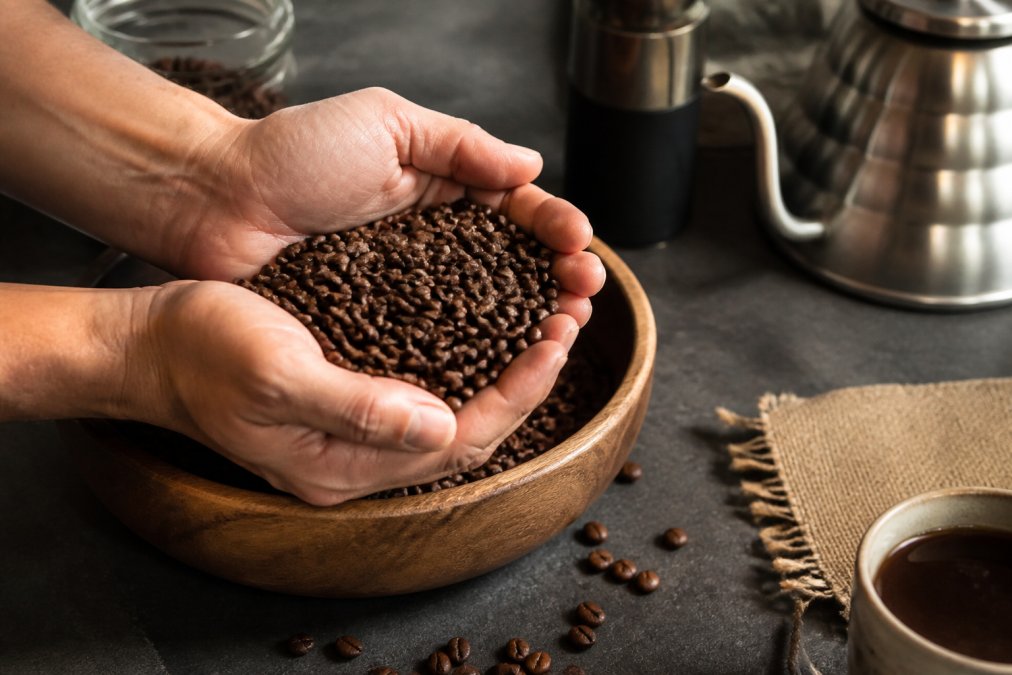
The Smell Test and Sensory Evaluation
Fresh beans smell sweet and complex; stale beans smell like dry hay or cardboard. Crush a bean between your fingers and smell it, compare it to a freshly opened bag if you have one, and note whether you get any fruit, cocoa, or caramel notes. A dull, dusty smell means the volatile compounds that create aroma are mostly gone.
Visual Clues: Oils, Color, and Mold Risk
Dark, shiny beans can mean fresh or oxidized oils, depending on the roast. Light, dry, faded beans often signal age; a dull, matte surface usually means the oils have dried out; and any fuzzy white, green, or black patches mean mold, so toss the bag. Check the roast date first: a bag roasted months ago will look and smell older than one roasted last week.
How to Revive Stale Coffee Beans with Brewing Adjustments
The best way to revive stale coffee is to change how you brew it. You cannot restore lost oils or put CO2 back into the bean, but you can shift extraction to pull more of what remains and mask what has faded. As beans age, they degas less and extract faster and more unevenly, so stale coffee often tastes both flat and harsh.
The Rescue Recipe: A Starting Point for Any Method
Most guides say "adjust" without giving numbers. Here is a concrete baseline you can scale to any brewer.
- Dose: Increase by roughly 10% over your normal recipe. If you usually use 18 g for a 1:16 pour-over, start at 20 g.
- Grind: Go one to two settings finer than your fresh-bean setting. Stale beans are more brittle and produce more fines, so move in small steps.
- Water temperature: Brew at 200-205°F. The upper end of the range helps dissolve the compounds that remain.
- Ratio: Tighten slightly, try 1:15 instead of 1:16, to concentrate flavor.
- Time: Extend total contact time by about 20%. A 2:30 pour-over becomes roughly 3:00.
Grind Size and Extraction Tweaks
Stale beans extract faster and taste flatter, so grinding coarser is the wrong instinct. Grind slightly finer to pull more from each bean, but stop before bitterness. Try one to two notches finer than usual in small steps, about 1 extra gram of coffee per 6 ounces of water, and brew near 200°F.
Cold Brew and Steep Time for Old Beans
Cold brew hides staleness better than any hot method: slow, cold extraction mutes bitterness and rounds off flat notes, and longer contact compensates for lost aromatics.
Use a longer steep time for old beans:
- Grind coarse, like sea salt
- Use a 1:5 coffee-to-water ratio for concentrate
- Steep 16 to 20 hours at room temperature, or up to 24 hours in the refrigerator
- Strain and dilute to taste, usually 1:1 with water or milk
What Not to Do: Rehydration and Other Myths
A persistent myth is that you can "rehydrate" stale beans by misting them or storing them with a damp paper towel. This does not work and makes things worse: surface moisture accelerates oxidation and creates the damp conditions mold needs. The bean's internal structure has already changed, and water on the outside cannot reverse that, it can turn a safe bag unsafe within days.
Best Ways to Store Coffee Beans for Freshness (And Prevent Staling)
The best ways to store coffee beans for freshness come down to four things: air, light, heat, and moisture. Block all four and you slow staling by weeks. Keep beans in an airtight container, not the bag's folded top; store in a cool, dark cabinet, not above the stove; skip the fridge for daily use, since moisture swings hurt beans; and freeze in small portions if you buy in bulk, grinding from frozen.
| Storage Method | Keeps Fresh | Best For |
|---|---|---|
| Original valve bag | 1-2 weeks | Short-term, daily use |
| Airtight container | 2-4 weeks | Most home setups |
| Freezer, portioned | 1-2 months | Bulk buyers |
| Open shelf | Days | Not recommended |
Creative Uses for Old Coffee Beans: Beyond the Mug
Beans too stale to brew still have life left, from cleaning your fridge to feeding your garden.
Best Sellers Sample Pack: 6Bean →
Odor Neutralization and Household Hacks
Coffee beans work as a natural odor neutralizer: their porous surface traps smells instead of covering them. Fill a small bowl with dry beans and leave it in the fridge, grind beans and scrub them into cutting boards to lift garlic and onion smells, place dry beans in a sock or mesh bag inside shoes or gym bags, or simmer used grounds in water on the stove to freshen a room.
Fertilizer, Compost, and Coffee Rubs
Coffee grounds add nitrogen to compost and soil; many gardeners work them into beds or compost piles, and used grounds are best since they are already spent. For a coffee rub, grind stale beans fine and mix with brown sugar, smoked paprika, coarse salt, and black pepper. Rub it on steak, pork, or brisket before grilling.
When to Toss Them: Safety Testing for Mold and Off-Flavors
No brewing adjustment, rehydration trick, or storage hack can rescue moldy beans: if contamination is present, the bag goes in the trash. Here is a two-minute inspection to tell merely stale beans from unsafe ones.
Step 1: Visual Inspection Under Bright Light
Pour a single layer of beans onto a white plate or paper, the light background makes off-colors easier to spot. Work in daylight or under a cool-white lamp, since warm kitchen lighting hides green and gray tones. Look for fuzzy or powdery patches in white, pale green, blue-green, or black (mold on coffee typically appears as a matte, velvety film rather than a shine); clumping or sticking beans (healthy roasted beans flow freely, and beans that cling together usually mean moisture has been present long enough for microbial growth); discolored or mottled surfaces that do not match the rest of the batch; and fine dust or webbing between beans in the bag, which can indicate mold filaments rather than normal chaff.
Step 2: The Smell Test, Damp vs. Flat
Stale beans smell flat, papery, or like dry hay, an aroma problem, not a safety problem. Moldy beans smell different in kind: musty, damp, or basement-like (the classic mold signature); sharp, sour, or fermented (often moisture damage even before visible mold); or chemical or medicinal (discard immediately; not a normal staling note).
Step 3: The Physical Check
Squeeze a few beans between your fingers. Fresh beans snap; stale beans crush easily; moldy beans may feel soft, spongy, or crumble into powder with visible dust. Also check the bag or container interior: condensation, a moisture ring, or a sour liner smell all point to a moisture problem that likely reached the beans.
Step 4: The Brew-and-Spit Test (Only If Steps 1-3 Pass)
If the beans look and smell clean, brew a small sample, taste, and spit it out. You are checking for musty, earthy, or medicinal notes, not staleness. Flat and papery is fine to drink; musty or chemical is not. When in doubt, throw it out.
Quick Decision Framework
| What You Observe | Verdict | Action |
|---|---|---|
| Flat, papery smell; even color; beans snap | Stale, safe | Brew with adjustments |
| Dull surface; weak aroma; beans crush easily | Stale, safe | Use for cold brew or rubs |
| Fuzzy patches, clumping, or webbing | Mold | Discard |
| Musty, damp, or chemical smell | Mold or moisture damage | Discard |
| Sour or fermented note | Spoilage | Discard |
If you are unsure which column you are in, you are in the discard column. Fresh beans are always the safer and better-tasting choice.
Conclusion: Fresh Beans Beat Revived Ones Every Time
Reviving stale beans buys a few decent cups, but it never beats starting fresh. The real fix is buying beans that arrive close to their roast date and storing them well. Iron Spur Coffee roasts to order using specialty-grade, high-elevation beans and precision thermal mapping to cut bitterness, for deeper sweetness and a cleaner flavor profile from the first cup.

Frequently Asked Questions
Can I still use 2-year-old coffee beans?
You can brew them, but the flavor will be flat and stale. Two-year-old beans have lost most of their volatile compounds through oxidation and degassing. They won't make you sick if stored properly and mold-free, but the cup will taste dull and papery. For better results, use them in cold brew, as a coffee rub, or in compost rather than expecting a great hot cup.
Does freezing stale coffee beans help restore their flavor?
Freezing does not reverse staling. Once oxidation and moisture damage occur, the flavor degradation is permanent. Freezing fresh beans slows future staling, but it cannot bring back lost aroma or oils. If your beans are already stale, focus on brewing adjustments like finer grind size or longer steep time in cold brew to mask some of the flatness.
What are the signs that coffee beans have gone stale?
Look for a lack of aroma when you open the bag, dull surface color instead of shiny coffee oils, and a flat or papery taste in the cup. Fresh beans smell sweet and complex. Stale beans may also have a muted flavor profile with increased bitterness and reduced acidity. If you see white or green fuzz, that is mold, not staleness, and you should discard them immediately.
Is stale coffee good for plants?
Yes, used coffee grounds are a good addition to compost and garden soil. They add nitrogen and organic matter. However, fresh unbrewed grounds are acidic and can harm some plants if applied directly. Compost them first or mix them into soil. Stale beans themselves can be ground and added to compost, but avoid adding moldy beans to your garden.