

What Is the 15-15-15 Rule for Coffee?
Table of Contents
- What Is the 15-15-15 Rule for Coffee?
- Where the Rule Came From
- 15 Minutes: The Grinding Window
- 15 Days: The Peak Freshness Period
- 15 Months: Green Coffee Bean Shelf Life
- Why Freshness Changes Flavor
- How to Spot Stale Coffee Beans
- Best Coffee Storage Practices for Peak Flavor
- The Golden Ratio for Coffee: Dialing In Your Brew
- Frequently Asked Questions
Last Updated: September 30, 2026
What Is the 15-15-15 Rule for Coffee?
The 15-15-15 rule for coffee is a simple freshness guideline: grind within 15 minutes of brewing, drink roasted beans within 15 days, and use green coffee beans within 15 months. This guide from Iron Spur Coffee breaks down each window and shows you how to hit it.
Coffee loses its best flavors on a predictable schedule, and the 15-15-15 rule turns that schedule into three deadlines you can track. Miss them and you drink flat, bitter coffee; hit them and you taste what the roaster intended. Below, we'll show how each window works and how to store beans so they stay fresh.
Where the Rule Came From
The 15-15-15 rule came out of the specialty coffee world, not a lab. Roasters and baristas noticed coffee tasted best inside a narrow window after roasting, and grinding accelerated the decline.
Three clocks run at once in every bag:
- The grind clock: ground coffee stales in minutes
- The roast clock: roasted beans fade in weeks
- The green clock: unroasted beans keep for months
The rule names each clock with a number. It's a practical tool, not a law of physics, roast level, storage, and brewing style all shift the timing.
15 Minutes: The Grinding Window
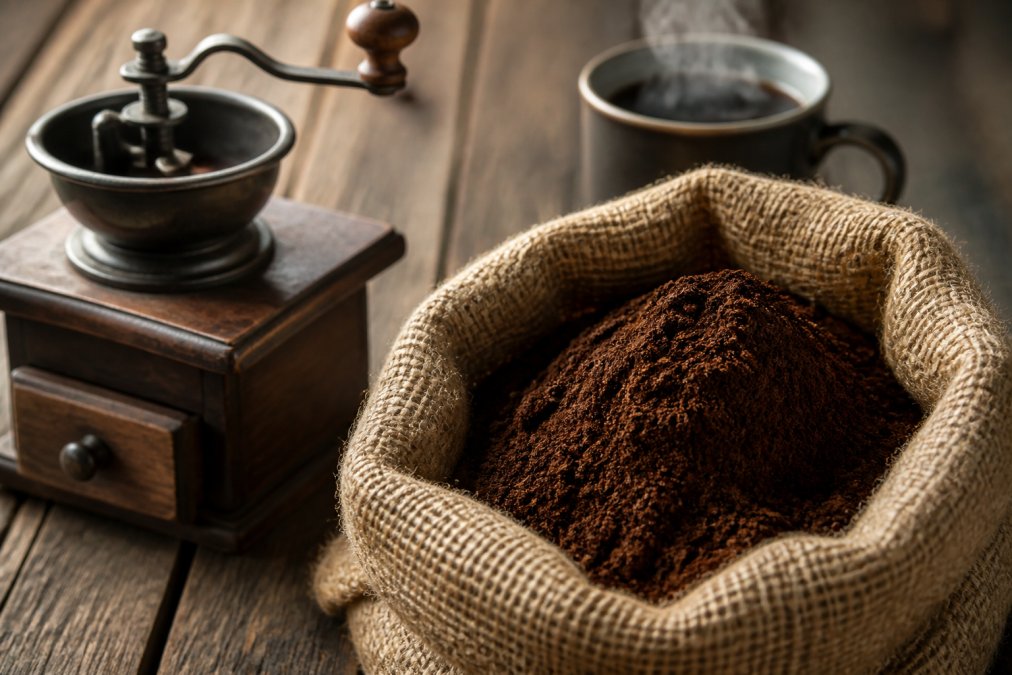
Ground coffee begins losing aroma within 15 minutes of grinding. Grinding tears apart the bean's protective shell, so oxygen and moisture reach far more of it at once.
15 Days: The Peak Freshness Period
Roasted coffee beans hit peak flavor roughly 4 to 14 days after the roast date. The 15-day mark is the outer edge of that window for most beans. Here's what's happening inside the bag.
Why 15 Days, Not 30 or 60
Fresh beans release carbon dioxide for the first few days after roasting, pushing oxygen away from the surface and protecting the oils that carry aroma. Once degassing slows, usually by day 4 to 7, oxygen moves in and decline begins.
The Roast Profile Changes the Window
Roast level shifts the 15-day window in a predictable direction.
- Light roasts tend to hold their bright, fruity, acidic notes longer, often 14 to 21 days, because the bean structure is denser and the oils stay locked inside. They also need more rest after roasting, so the front end of the window starts later.
- Medium roasts sit closest to the classic 15-day guideline. Balanced, forgiving, and the profile most home brewers buy.
- Dark roasts peak earlier and fade faster. The longer roast pushes oils to the surface, where oxygen reaches them immediately. A dark roast can taste best at day 3 to 7 and be noticeably flat by day 14. If you drink dark roasts, treat 15 days as a hard ceiling, not a target.
Roast Date Beats Best-By Date
The roast date matters more than the best-by date. Most grocery bags print a best-by date months out, which tells you almost nothing about freshness. Look for a roast date; without one, you're guessing. A bag stamped "best by" 9 months from now could have been roasted 8 months ago.
How to Read the Window in Practice
- Buy from roasters who print the roast date, not just a best-by.
- Aim to finish a bag within 15 days of that date for medium roasts, sooner for dark.
- If you buy more than you'll drink in two weeks, freeze the surplus in a vacuum-sealed bag rather than letting it sit on the shelf.
- Rest espresso beans 5 to 10 days after roast before dialing in; they need the degassing head start.
The 15-day mark is not a cliff, it's where the average drinker notices the cup has lost its edge. Track your own bags to find your personal window, but start with 15 days as the line you don't want to cross.
15 Months: Green Coffee Bean Shelf Life
Green coffee beans keep for about 12 to 15 months when stored well, the longest window in the rule, because unroasted beans hold their moisture and oils inside a dense structure. They're shelf-stable but not immortal: heat, humidity, and oxygen slowly break them down. A green bean starting at roughly 10 to 12 percent moisture slowly loses it, and once it drops too far the bean roasts unevenly and tastes flat.
What Actually Degrades Green Coffee
Three forces run the clock on green beans:
- Moisture loss. Dry air pulls water out of the bean. Too dry and the roast scorches; too wet and it steams.
- Oxidation. Oxygen reacts with the bean's oils and acids, dulling the bright, fruity notes that make a fresh crop worth buying.
- Temperature swings. Heat accelerates every chemical reaction. A hot garage in summer can age green beans months in weeks.
The 15-month figure assumes cool, dry, dark, stable storage. Break any of those and the window shrinks.
Storage by Container: What Works and What Doesn't
This is where most guides stop short. The container you choose changes how close you get to the full 15 months.
A Practical Green Bean Plan
- Buy green beans in amounts you'll roast within the year.
- Split large orders into vacuum-sealed lots sized to a few weeks of roasting.
- Store cool, dry, and away from light, a basement shelf beats a kitchen cabinet near the oven.
- Label each lot with the harvest year and the date you sealed it.
- For everyone who doesn't home-roast, the 15-month figure explains why roasters can buy a harvest and roast it across many months. The green bean holds. The roasted bean does not.
Why Freshness Changes Flavor
Freshness drives flavor because coffee's best aromas are volatile, the chemicals that carry smell, and smell is most of what you taste. Two processes run the clock: degassing and oxidation.
Degassing and Carbon Dioxide Release
Roasting traps carbon dioxide inside the bean, and that gas escapes over days. Too much gas and your brew tastes flat or foamy; too little and oxygen takes over. This is why baristas rest beans a few days before pulling espresso.
Oxidation and Aroma Loss
Oxidation is oxygen reacting with the oils in coffee, dulling bright notes and pushing flavors toward cardboard and rancidity. In the cup that means lost acidity, muted sweetness, and a flat body. You can't reverse it, only slow it down.
How to Spot Stale Coffee Beans
Stale coffee beans give themselves away through smell, look, and taste. Check these signs before you brew another cup.
- No aroma: Fresh beans smell sweet and strong. Stale beans smell like almost nothing.
- Oily or dull surface: A light sheen is normal. Heavy oil plus a flat smell points to age.
- No bloom: Fresh coffee puffs up when hot water hits it. Flat coffee barely reacts.
- Hollow taste: Stale coffee tastes weak or papery, even when brewed strong.
- Bitterness with no sweetness: Age strips sweetness and leaves harsh notes behind.
Best Coffee Storage Practices for Peak Flavor
Best coffee storage practices come down to four enemies: oxygen, light, heat, and moisture. Beat all four and you stretch the 15-day window. Store beans airtight in a cool, dark spot, keep them whole until brew time, and buy in small amounts so you finish the bag inside the window.
| Storage Mistake | Why It Hurts | Better Move |
|---|---|---|
| Clear glass jar on the counter | Light breaks down oils | Opaque, airtight canister |
| Fridge door shelf | Moisture and odors creep in | Cool, dark cabinet |
| Freezer in an open bag | Freezer burn and moisture | Vacuum-sealed, then frozen |
| Pre-grinding a week ahead | Grind clock starts early | Grind right before brewing |
The Golden Ratio for Coffee: Dialing In Your Brew
The golden ratio for coffee is the balance of coffee to water that gives you a repeatable, well-extracted cup. Most brewers land between 1:15 and 1:18 by weight. Freshness and ratio work together: stale beans taste weak, so people add more coffee, which just adds bitterness without bringing flavor back.
Start here:
- 1:15 for a stronger, bolder cup
- 1:16 as a solid everyday starting point
- 1:18 for a lighter, brighter brew
Frequently Asked Questions
What is the 15-15-15 rule for coffee?
The 15-15-15 rule is a freshness guideline: grind within 15 minutes of brewing, drink within 15 days of the roast date, and use green coffee beans within 15 months of harvest. Each window reflects how quickly coffee loses its volatile aromatic compounds, carbon dioxide, and flavor. Following the rule helps you taste coffee at its peak rather than after oxidation and degassing have flattened the cup.
How does the 15-15-15 rule impact coffee flavor?
Grinding exposes more surface area to oxygen, so waiting longer than 15 minutes after grinding lets aroma compounds escape and the flavor turns flat. After 15 days post-roast, beans lose the carbon dioxide that helps extraction, so the cup tastes duller and more bitter. Green beans stored past 15 months absorb moisture and odors, which carries into the roast. Each stage protects a different part of the flavor profile.
How should you store coffee beans to maintain quality?
Keep beans in an airtight container away from light, heat, and moisture. A vacuum-sealed or one-way valve bag works well for the first two weeks. For longer storage, freeze whole beans in a sealed bag and grind from frozen. Never store coffee in the fridge door, where temperature swings and food odors speed up oxidation and rancidity. Buy in quantities you will finish within the 15-day peak window.
Does coffee freshness follow a specific timeline?
Yes. Roasted coffee peaks between 4 and 15 days after the roast date, then declines gradually. Whole beans hold flavor longer than ground coffee because less surface area is exposed. Green coffee beans keep for roughly 15 months when stored cool and dry. Checking the roast date on the bag is the fastest way to know where a bag sits on that timeline before you buy.