

Cold Brew vs Hot Coffee for Mornings: Which Wins?
Table of Contents
- Cold Brew vs Hot Coffee for Mornings: The Core Differences
- Cold Brew vs Hot Coffee Caffeine: Energy and Extraction
- Cold Brew vs Hot Coffee Acidity: Stomach Sensitivity and Digestive Impact
- Best Coffee for Mornings: Speed, Convenience, and Consistency
- How to Make Hot Coffee from Cold Brew Concentrate
- Cost Per Cup: Morning Budget Reality
- Which Method Wins for Your Morning Routine
- Frequently Asked Questions
Last Updated: October 10, 2026
Cold Brew vs Hot Coffee for Mornings: The Core Differences
The choice between cold brew and hot coffee affects energy, digestion, convenience, and how your body responds in the morning, understanding cold brew vs hot coffee mornings helps you optimize for your actual needs.
Cold brew steeps grounds in cold water for 12-24 hours; hot coffee uses hot water for rapid extraction in minutes. This changes caffeine concentration, acidity levels, flavor, and digestive impact.
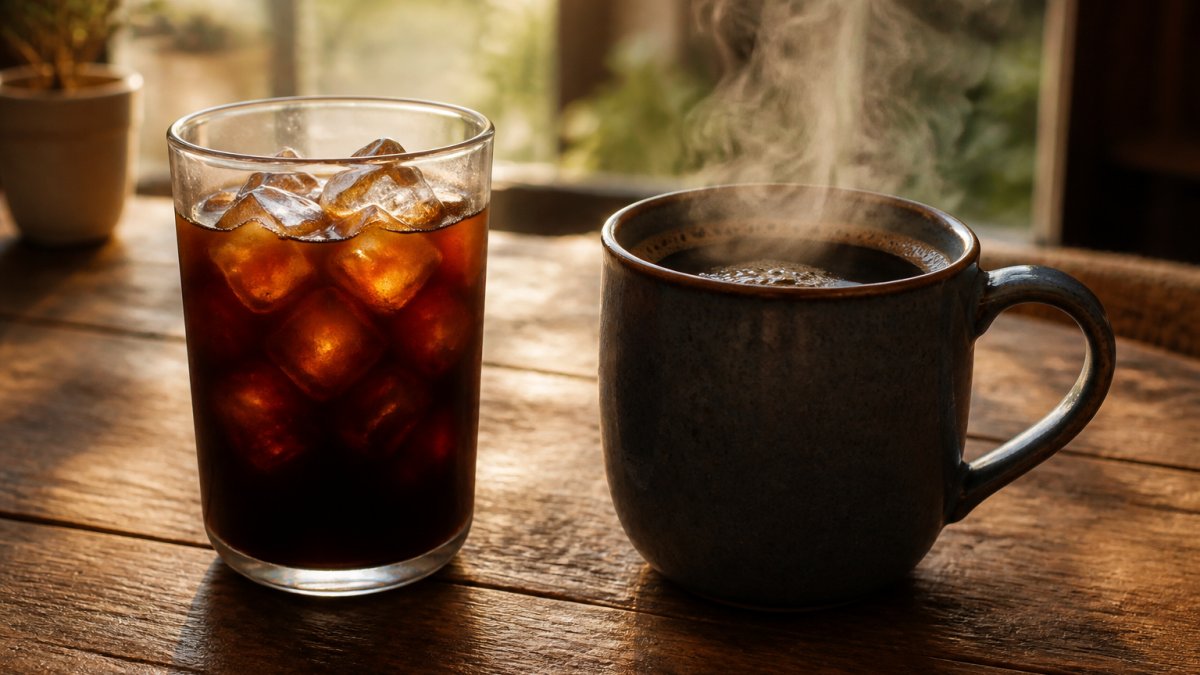
The choice depends on your morning needs, digestive system, and schedule. At Iron Spur Coffee, we support customers in optimizing their mornings by choosing deliberately rather than by habit.
Cold Brew vs Hot Coffee Caffeine: Energy and Extraction
Cold brew contains more caffeine per ounce but is diluted before drinking, while hot coffee extracts caffeine quickly and is consumed at full strength. The practical difference is smaller than most assume.
Cold brew's lower acidity means smoother caffeine absorption without digestive spike. Hot coffee creates a sharper peak, preferred by some for immediate alertness, jittery for others.
Cold brew delivers steady energy through gradual absorption; hot coffee delivers faster energy with more variability depending on stomach state and food intake.
Cold brew suits sustained physical work; hot coffee suits desk work requiring immediate focus.
Cold Brew vs Hot Coffee Acidity: Stomach Sensitivity and Digestive Impact
Cold brew produces significantly lower acidity than hot brewing, extracting fewer acidic compounds like chlorogenic acid and tannins that irritate sensitive stomachs.
Hot coffee's rapid extraction pulls out more acidic compounds, creating sharp taste and stomach distress. That acidic burn 30 minutes after morning coffee typically comes from hot coffee.
For people with acid reflux or sensitive digestion, cold brew is the practical choice, you get caffeine and flavor without inflammatory response.
Acidity also depends on roast level: light roasts are more acidic than dark roasts. Iron Spur Coffee's Cold Iron blend is roasted for cold brewing to emphasize smoothness and reduce harsh tannins. This blend features smooth chocolate, toffee, and floral tones.

Best Coffee for Mornings: Speed, Convenience, and Consistency
Speed matters in morning routines, but the real question is total time from decision to first sip and how it fits your actual workflow.
Hot Coffee: The Spontaneity Advantage
Hot drip coffee wins on immediate availability, producing ready-to-drink coffee in 5-10 minutes with zero advance planning. This matters for unpredictable mornings: shift workers, parents, or anyone with variable wake times.
Hot coffee offers flexibility: change your mind and have it ready in minutes, adjust strength easily, or grab it from a shop without planning.
Cold Brew: The Prep-Ahead Optimization
Cold brew requires 12-24 hours advance prep, but for structured routines, this model eliminates morning friction entirely.
Sunday prep takes 5 minutes; for the next 7 days, morning coffee takes 30 seconds, grab, pour, drink. No daily cleaning, waiting, or decision-making.
For consistent routines, you eliminate the daily 5-10 minute brewing window and cleanup. Over a week, you save 35-70 minutes of active time and decision-making.
Portability and Field Work
Cold brew's portability suits field work. Pack concentrate in an insulated container for ready-to-drink coffee throughout the day without equipment or hot-water access.
Hot coffee requires a thermos (flavor degrades after 2-3 hours) or equipment access. For field work, cold brew's stability and portability are genuine advantages.
The Real Trade-off: Spontaneity vs. Optimization
The choice depends on whether your routine is structured or spontaneous. Fixed wake times and consistent schedules favor cold brew's friction-free model. Unpredictable mornings favor hot coffee's flexibility.
Cold brew is faster on drinking days (30 seconds vs. 5-10 minutes) but requires prior prep. Hot coffee is faster if you decide after waking. Match the method to your actual constraints, not theory.
| Metric | Cold Brew | Hot Coffee |
|---|---|---|
| Time to drink (pre-made) | 30 seconds | 5-10 minutes |
| Advance prep required | 12-24 hours (once per week) | None |
| Spontaneity (decide after waking) | Poor | Excellent |
| Daily cleanup time | 0 minutes | 2-3 minutes |
| Portability for field work | Excellent | Requires thermos or equipment |
| Consistency day-to-day | Very high | Varies with brewing |
| Flexibility to adjust strength | Low | High |
| Weekly time investment | 5 minutes | 35-70 minutes |
How to Make Hot Coffee from Cold Brew Concentrate
If you've already made cold brew concentrate and want a hot morning coffee, the process is straightforward. Heat water to 160-180°F (not boiling), then pour it into your cold brew concentrate at a 1:1 ratio. Stir and drink immediately.
The result tastes different from drip coffee because the extraction method was different, but you get hot coffee with cold brew's lower acidity. This is useful if you prefer hot beverages in winter but want cold brew's digestive benefits.
Many people use this method to extend their cold brew concentrate. Make one batch, use half cold over ice, and heat the other half for hot mornings. It's efficient and gives you flexibility without making two separate batches.
The key is using the right water temperature. Too-hot water can extract additional bitter compounds from the already-brewed concentrate. 160-180°F is hot enough to drink comfortably but cool enough to avoid over-extraction.
Cost Per Cup: Morning Budget Reality
Cost-per-cup analysis depends entirely on whether you make coffee at home or buy it pre-made, and the numbers reveal a significant long-term difference that most morning drinkers overlook.
Homemade Cold Brew vs. Homemade Hot Coffee
When you brew both methods at home using the same quality beans, the per-cup cost is nearly identical. A pound of specialty coffee beans costs $12-18 and yields approximately 50-60 cups of brewed coffee, regardless of method.
The difference emerges in consistency and waste. Hot drip coffee requires daily brewing, which means daily attention to water ratios, filter changes, and machine maintenance. If you brew a full pot and don't finish it, you waste 2-4 cups daily.
For a person who brews hot coffee daily and wastes one cup every other day, the actual cost is closer to $0.30-0.45 per cup after accounting for waste. Cold brew's zero-waste model keeps you at $0.20-0.36 per cup.
Weekly and Monthly Projections
If you drink one cup of coffee every morning:
- Hot coffee (homemade, with typical waste): 7 cups per week × $0.35 per cup = $2.45/week, or approximately $127 per year
- Cold brew (homemade, zero waste): 7 cups per week × $0.25 per cup = $1.75/week, or approximately $91 per year
The annual savings from switching to cold brew is roughly $36 per person, or $72 for a household of two coffee drinkers. This assumes you're already buying quality beans and brewing at home. The savings increase if you currently buy pre-made coffee.
Pre-Made Coffee Shop Pricing
Pre-made cold brew from coffee shops costs significantly more than homemade cold brew, but often less than hot coffee when you account for size and quality:
- Hot drip coffee (coffee shop): $3-4 per cup
- Cold brew (coffee shop): $4-6 per cup
- Specialty hot drinks (lattes, cappuccinos): $5-7 per cup
If you buy cold brew from a coffee shop five days per week, your annual cost is $1,040-1,560.
The break-even point for home cold brew is approximately 15-20 shop purchases per year. If you buy cold brew from a coffee shop more than twice per month, making it at home becomes financially rational within 3-4 months.
The Hidden Cost: Quality Degradation in Commercial Cold Brew
Retail cold brew concentrate and pre-made cold brew drinks often cost less than specialty hot drinks because manufacturers reduce costs through lower-quality beans, extended steeping times that over-extract bitter compounds, or added sugars and flavorings that mask inferior taste.
If you're choosing cold brew specifically for its smoothness and digestive benefits, commercial versions that cut corners on bean quality undermine those advantages. The smoothness you're paying for can disappear in mass-market cold brew that prioritizes shelf stability and cost reduction over flavor extraction.
Homemade cold brew using $14-16 per pound specialty beans costs more per cup ($0.25-0.36) than commercial cold brew ($0.40-0.60 in retail markup), but delivers superior flavor and the health benefits you're actually seeking.
Annual Budget Scenarios
| Scenario | Annual Cost | Notes |
|---|---|---|
| Hot coffee, homemade, with waste | $127 | 1 cup/day, typical waste |
| Cold brew, homemade | $91 | 1 cup/day, zero waste |
| Cold brew, coffee shop 2x/week | $520 | 104 purchases/year at $5 |
| Hot coffee, coffee shop 5x/week | $780 | 260 purchases/year at $3 |
| Mixed (homemade + 2 shop purchases/month) | $331 | Cold brew at home + occasional shop |
Which Method Wins for Your Morning Routine
The answer to cold brew vs hot coffee mornings depends on what your morning actually requires. If you wake up with a sensitive stomach, want smooth flavor, and have the discipline to prep the night before, cold brew is the practical choice. If you wake up hungry for immediate energy, value flexibility, and don't have digestive issues, hot coffee remains the faster solution.
Cold brew is better for sustained energy, lower digestive impact, and consistency. Hot coffee is better for speed, spontaneity, and immediate alertness. Neither is objectively superior, they serve different morning needs.
At Iron Spur Coffee, we've built our product line to support both approaches. Our Long Ride breakfast blend, a smooth blend of coffee from South America, excels as hot drip coffee for mornings when speed matters. Our Cold Iron blend, with smooth chocolate, toffee and floral tones, is specifically roasted for cold brewing, with a profile that emphasizes smoothness and eliminates the bitterness that comes from longer steeping.

The real optimization isn't choosing one method forever. It's understanding your morning constraints, your digestive preferences, and your schedule, then choosing deliberately. Some mornings demand hot coffee's speed. Other mornings reward cold brew's smoothness and consistency.
Frequently Asked Questions
Does cold brew have more caffeine than hot coffee?
Cold brew typically contains more total caffeine per ounce because the steeping process extracts caffeine efficiently over 12-24 hours. However, cold brew concentrate is often diluted with water or milk before drinking, which reduces the per-cup caffeine compared to a straight shot of hot drip coffee. The difference depends on your dilution ratio and brew strength.
Is cold brew less acidic than hot coffee?
Yes. Cold brew has significantly lower acidity levels because cold water extraction reduces the solubility of acidic compounds like chlorogenic acid and tannins. This makes cold brew gentler on the stomach, especially on an empty stomach first thing in the morning. Hot coffee's higher temperature accelerates extraction of these compounds, resulting in higher acidity.
Can I drink cold coffee first thing in the morning on an empty stomach?
Cold brew is safer on an empty stomach than hot coffee due to its lower acidity. However, any coffee consumed before eating can trigger gastrointestinal distress in sensitive individuals. If you're prone to stomach sensitivity, eat something light first or wait 30 minutes after waking before your first cup.
Can you heat cold brew and drink it hot?
Yes. You can warm cold brew concentrate by adding hot water or heating it gently on the stove. When heated, cold brew maintains its smoother flavor profile because the extraction already happened at low temperature. This gives you the digestive benefits of cold brew with the warmth and comfort of a hot morning beverage.
Your morning routine sets the tone for everything that follows. If your current coffee is causing stomach issues, leaving you jittery, or requiring more time than you have, the solution might be as simple as switching methods. Discover Iron Spur Coffee Today and find the specialty-grade beans and roast profiles designed for mornings that demand discipline and performance.