

High Caffeine Coffee for Field Workers: Top Picks
Table of Contents
- What Makes High Caffeine Coffee Work for Field Workers
- Caffeine Content in Coffee: What the Numbers Actually Say
- Coffee with the Most Caffeine: Top Iron Spur Picks
- Best Coffee for Long Shifts: Matching Roast to Your Workday
- Portable Coffee Brewing for Work: Methods That Hold Up in the Field
- Caffeine per Serving and per Dollar: Getting the Most from Your Bag
- Safe Caffeine Use During Long or Physically Demanding Shifts
- Conclusion: Choosing the Right High Caffeine Coffee for Your Field Kit
- Frequently Asked Questions
Last Updated: October 6, 2026
What Makes High Caffeine Coffee Work for Field Workers
The best high caffeine coffee for field workers delivers a real boost without the crash, jitters, or bitterness that makes a thermos undrinkable by hour eight.
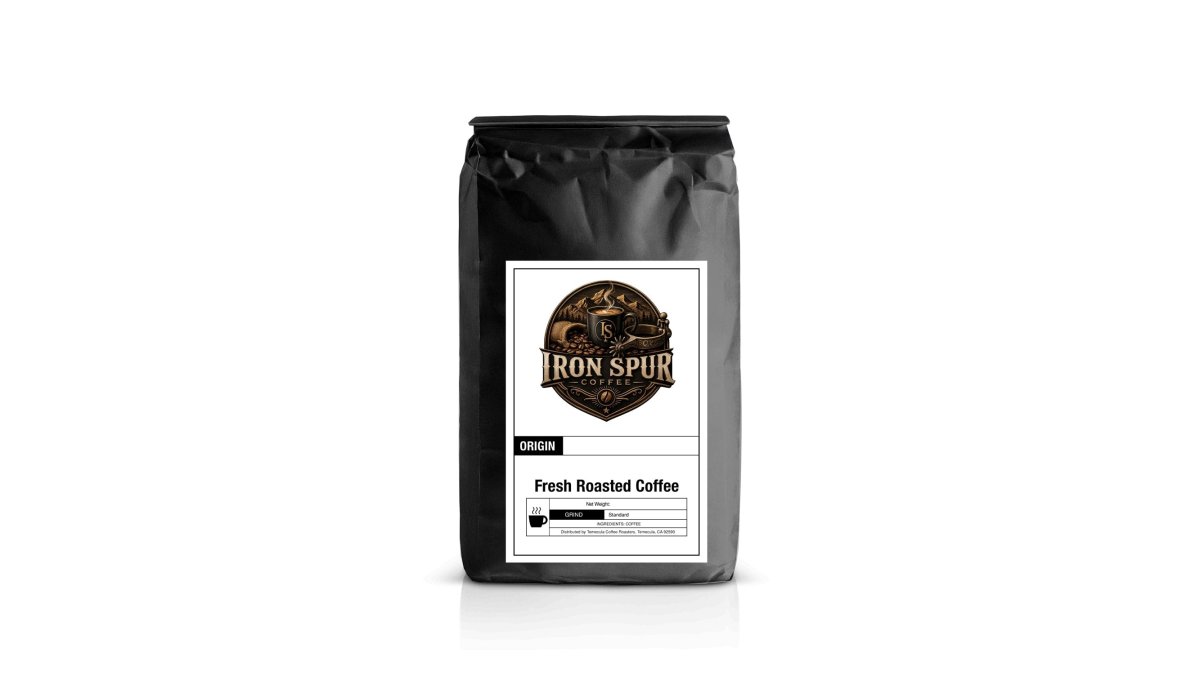
Caffeine blocks adenosine, the chemical that builds up in your brain and makes you feel tired, which matters more than flavor notes on a 12-hour shift.

Caffeine Content in Coffee: What the Numbers Actually Say
Caffeine content in coffee is not fixed. An 8-ounce cup ranges from roughly 95 milligrams for standard drip to about 65 milligrams for espresso, and bean species and roast level both move that number.
The FDA guidance on caffeine and how much is too much puts 400 milligrams per day as a general ceiling for healthy adults. That is roughly four 8-ounce cups of drip coffee.
Here is the practical breakdown:
| Factor | Effect on Caffeine | Why It Matters in the Field |
|---|---|---|
| Bean species | Robusta carries more caffeine than Arabica | A Robusta-forward blend hits harder per scoop |
| Roast level | Minimal effect by weight; dark roasts lose slight mass | You cannot "roast in" more caffeine |
| Brew method | Extraction time and water ratio drive yield | Cold brew and espresso concentrate differently |
| Serving size | Linear: more grounds, more caffeine | A thermos is 2-3 "cups" in one pour |
Bean Species: Arabica vs Robusta
Arabica is the specialty standard for sweetness and complexity, but Robusta naturally carries more caffeine. That's why a high-caffeine blend pairs the two: Arabica for flavor, Robusta for lift. Our Max Caf Blend uses Tanzania and India Robusta for exactly this reason.
Roast Level and Caffeine: Separating Fact from Myth
Dark roast does not mean more caffeine. Roasting burns off a small amount of mass, so by weight a dark roast can carry slightly less caffeine than a light roast of the same bean. What dark roast changes is flavor: bolder, smokier, less acidic.
Coffee with the Most Caffeine: Top Iron Spur Picks
The coffee with the most caffeine in our lineup is Max Caf Blend, built on Robusta for the highest caffeine per scoop. From there, the picks trade raw strength for balance, flavor, or versatility. Every bag is $23.99 and roasted to order.
| Blend | Roast | Caffeine Profile | Best For |
|---|---|---|---|
| Max Caf Blend | High-caffeine blend | Highest per scoop | Overnight and 24-hour shifts |
| Long Ride + | Medium | Extra kick, balanced | Long daytime rides and commutes |
| Italian Roast | Darkest | Serious, bold | Those who want strength plus depth |
| Deadwood Dark | Dark | Bold, espresso-ready | Cold brew and concentrate |
| Cowboy Blend | Dark & medium | Moderate | All-day sipping |
| French Roast | Dark | Moderate | Smooth daily fuel |
Max Caf Blend: Highest Caffeine per Scoop
Max Caf Blend is our strongest option, a high-caffeine blend of Tanzania and India Robusta. It's the bag we'd hand a worker heading into a 24-hour shift or night watch. The flavor is bold and direct, if you want the most caffeine in the fewest scoops, start here.

- Pros: Highest caffeine per scoop, bold flavor, holds up in a thermos
- Cons: Robusta-forward taste is less sweet than an Arabica blend
- Price: $23.99
Long Ride +: Balanced Medium Roast with Extra Kick
Long Ride + is our house breakfast blend with Robusta added for extra caffeine. A medium roast, it drinks smoother than Max Caf while still delivering a real lift, the pick for a long daytime ride, commute, or shift where you want energy without a heavy, smoky finish.
- Pros: Balanced flavor, medium roast smoothness, added caffeine
- Cons: Less caffeine than Max Caf
- Price: $23.99
Italian Roast and Deadwood Dark: Bold Flavor, Serious Caffeine
Italian Roast is our darkest roast, a slow-roasted blend of specialty-grade Arabica and Robusta that brings depth and strength together. Deadwood Dark is a dark house blend of coffees from around the world, our go-to for espresso or cold brew concentrate. Both are $23.99.
Best Coffee for Long Shifts: Matching Roast to Your Workday
The best coffee for long shifts depends on when your shift runs and how physical the work is, a night watch and a daytime labor job need different caffeine timing, even with the same bag.
Overnight and 24-Hour Shifts
Overnight and 24-hour shifts call for front-loading caffeine early and tapering before the end. A strong blend like Max Caf Blend brewed at the start of the night keeps alertness up when the body wants to sleep. Drinking it at hour 10 is the mistake, it wrecks the sleep you need before the next shift.
Physical Work and Sustained Energy
Physical work burns through a caffeine boost faster because your body is using energy on two fronts. For sustained energy rather than a spike, sip steadily instead of slamming a large dose, a medium roast like Long Ride + spread across a thermos gives a steadier curve than one concentrated hit.
Portable Coffee Brewing for Work: Methods That Hold Up in the Field
Portable coffee brewing for work comes down to four formats: a thermos of pre-brewed coffee, a manual press or pour-over, cold brew concentrate, and instant or ready-to-drink options. The right pick depends less on flavor than on three field realities: reliable hot water, how much weight you'll carry, and how long the coffee stays drinkable in heat, cold, and dust.
Here's how the formats compare on the things that actually matter on a job site:
| Format | Prep Time | Gear Needed | Shelf Life Once Made | Weight to Carry | Best For |
|---|---|---|---|---|---|
| Thermos of pre-brewed drip or cold brew | Brewed at home, 0 min on site | Insulated bottle | Roughly 4-6 hours hot, longer cold | 1-2 lb filled | Most workers; no power, no cleanup |
| Manual press or pour-over | 4-6 min on site | Press or dripper, filter, hot water | Drink immediately | 1-2 lb plus water | Break areas with hot water |
| Cold brew concentrate | 0 min on site (mix and go) | Small bottle, water | Several days refrigerated, shorter in heat | Under 1 lb | Summer work, no heat source |
| Instant packets | Under 1 min | Cup, hot or cold water | Months sealed | A few ounces | Lightest carry, backup supply |
| Ready-to-drink cans or bottles | 0 min | None | Check the label; usually months sealed | Heaviest per serving | When you can't brew at all |
Thermos: The Default for Most Field Workers
A pre-brewed thermos wins for most field workers: no power, no water source, no cleanup on site. Brew at home, carry 20 ounces, drink across the shift. The trade-off is that a 20-ounce thermos is two to three real 8-ounce servings in one pour, so it's easy to blow past a sensible daily caffeine total.
Manual Press and Pour-Over: Best With a Break Area
A French press or pour-over gives you the freshest cup, but only makes sense with a break area, hot water source, and a few minutes. Pack a sturdy press rather than glass, and pre-measure grounds so you're not scooping in wind or rain. It's the least practical format for workers moving between sites all day.
Cold Brew Concentrate: The Summer and No-Heat Option
Cold brew is worth knowing for summer work. It extracts with time instead of heat, so it's smoother and easy to pre-make in a batch. The USDA guidance on food safety and storing brewed coffee is a useful reference if you're keeping a batch for several days.
Instant and Ready-to-Drink: Lightest and Most Forgiving
Instant packets are the lightest thing you can carry and never spoil sealed, a good backup for a remote site or emergency kit, with flavor as the trade-off. Ready-to-drink cans and bottles need zero prep but are heaviest per serving and often carry added sugar, so check the caffeine content on the label before relying on them for a long shift.
Storage Rules That Keep Coffee Safe in the Field
- Keep it out of direct sun. Heat speeds up spoilage and turns flavor flat.
- Seal it. Dust and grit ruin a cup fast; a screw-top bottle beats an open mug.
- Don't top off a dirty thermos. Rinse daily; residue sours the next batch.
Caffeine per Serving and per Dollar: Getting the Most from Your Bag
Caffeine per dollar is the metric most buyers ignore, and it decides whether a bag is actually a good deal. A $23.99 bag of Max Caf Blend brewed at a strong ratio gives more caffeine per serving than a milder blend at the same price, because you use fewer scoops to reach the same lift.
Here's how to think about it:
- Count your scoops per pot. A stronger blend needs fewer scoops per cup.
- Divide bag price by servings. A 12-ounce bag at a strong ratio yields fewer, more potent cups.
- Compare caffeine per serving, not per cup. Two "cups" from a thermos is one real serving.
The USDA FoodData Central database on coffee caffeine values is a solid reference for checking baseline caffeine numbers per brew type.
Safe Caffeine Use During Long or Physically Demanding Shifts
Safe caffeine use during long shifts means staying under the daily limit, timing doses to the front of the shift, and drinking water alongside every cup. The FDA guidance on caffeine and how much is too much puts 400 milligrams per day as a general ceiling for healthy adults, which is roughly four 8-ounce cups of drip coffee.
Do the Daily-Limit Math Before Your Shift
Estimate your total before you drink it. If a strong blend runs near 150-200 milligrams per 8-ounce serving, a 20-ounce thermos is roughly 375-500 milligrams on its own, leaving little room for a second pour. Decide your daily total, then divide it across the shift instead of drinking by feel.
Time Your Doses to the Shift, Not the Clock
Caffeine peaks in the blood roughly 30 to 60 minutes after you drink it and tapers over several hours. A pattern that works for long shifts:
- First hour: one strong serving to get ahead of the fatigue curve.
- Mid-shift: a smaller top-up only if you need it, not on habit.
- Last quarter of the shift: switch to water or decaf so caffeine clears before you try to sleep.
The mistake is a strong cup at hour 10 of a 12-hour shift: that dose is still working when you're trying to sleep before the next one, and lost sleep makes the next shift harder than caffeine can fix.
Hydration Is the Real Risk on a Hot Site
Caffeine has a mild diuretic effect, and on a hot, dusty job site dehydration is the bigger danger. A practical rule: one glass of water per cup of coffee, and more when you're sweating heavily. If you feel a headache, dizziness, or unusual afternoon fatigue, treat it as possible dehydration first, not a signal to drink more coffee.
Signs You've Had Too Much
Pull back and add water if you notice:
- Jitters or shaky hands: a real hazard around tools and equipment.
- Racing heart or anxiety: cut the dose and hydrate.
- Stomach upset or acid reflux: common with strong coffee on an empty stomach.
Tolerance, Rotations, and What Not to Mix
Caffeine tolerance builds with daily use, so the same dose stops hitting as hard. Rotating a milder blend on light days keeps your strong blend effective when you need it. Never stack high-caffeine coffee with energy drinks, pre-workout, or caffeine pills on the same shift, the milligrams add up fast and side effects compound.
Conclusion: Choosing the Right High Caffeine Coffee for Your Field Kit
The wrong bag leaves you wired and jittery or flat by noon. Match the blend to the shift: Max Caf Blend for nights and 24-hour runs, Long Ride + for balanced daytime energy, and Italian Roast or Deadwood Dark for bold flavor with real strength.

Every Iron Spur Coffee bag is $23.99, roasted to order from specialty-grade, high-elevation beans with precision thermal mapping to cut bitterness, and shipped fast so it's ready before your next shift.
Frequently Asked Questions
Which coffee variety has the most caffeine?
Robusta beans contain roughly twice the caffeine of Arabica beans, so blends that include Robusta deliver more caffeine per scoop. Iron Spur's Max Caf Blend combines Tanzania and India Robusta for a high caffeine content in coffee. If your goal is maximum caffeine per cup, start with a Robusta-forward blend rather than a pure Arabica.
How much caffeine is in a cup of coffee?
An 8-ounce cup of drip coffee typically contains 95-165 milligrams of caffeine, depending on the beans and brewing method. Espresso delivers about 63 milligrams per 1-ounce shot. Cold brew and concentrated formats can push higher per serving. Check the label or product page for exact caffeine content in coffee, since blends with Robusta run toward the upper end of that range.
Is dark roast coffee higher in caffeine than light roast?
No. Roast level does not significantly change caffeine content. A dark roast and a light roast from the same beans deliver nearly identical caffeine. What changes is flavor: dark roasts taste bolder and less acidic. If you want more caffeine, choose a Robusta blend like Max Caf rather than assuming a darker roast will do it.
How much caffeine is too much in a day?
The FDA advises most healthy adults to stay under 400 milligrams of caffeine per day, roughly four 8-ounce cups of coffee. Field workers on long shifts should track total intake across the day, including any energy drinks or supplements. Going over 400 milligrams can cause jitters, disrupted sleep, and elevated heart rate. Spread your cups out rather than front-loading.
What is the best coffee for a long work shift?
The best coffee for long shifts balances caffeine content with drinkability over many hours. A medium roast with added Robusta, like Long Ride +, gives steady caffeine without the harshness that makes you stop drinking.