
7 Best Coffee Beans for Precision Brewing
Quick Summary
The best coffee beans for precision brewing are fresh, evenly roasted specialty beans with clear origin character, roasted at medium or medium-light levels. Precision brewing means controlling grind, dose, water and contact time so the same bag tastes the same every time. Check the origin, process and roast date together, not just the flavor notes.
- Medium and medium-light roasts often give the clearest results for precision brewing.
- Use a digital scale and start with a common ratio of about 1:16 coffee to water.
- Coffee is most vibrant in the first few weeks after roasting, so brew within that window.
- Store beans in an airtight container away from heat, light and moisture.
- Adjust grind size one step at a time, changing one variable per brew.
Table of Contents
- What Precision Brewing Demands From Your Beans
- How Roast Level Shapes Your Cup
- Choosing Grind Size and Coarse Ground Options for French Press
- Dialing In Your Coffee-to-Water Ratio
- Why Roast Date and Freshness Matter Most
- Iron Spur Single Origins Compared for Precision Brewing
- Pick Your First Iron Spur Bag and Dial It In
- Frequently Asked Questions
What Precision Brewing Demands From Your Beans
Last Updated: November 9, 2026
Precision brewing starts long before the kettle boils. Specialty-grade beans only deliver consistent results when they are fresh, evenly roasted and matched to your brewing method. Precision brewing is the practice of controlling every variable in the cup, from grind and dose to water temperature and contact time, so the same bag tastes the same way every morning.
Good beans for precision brewing share a few traits. They have clear, defined origin character rather than a muddy blend. And they arrive fresh enough that the aromatics have not faded.
A common mistake is judging beans only by flavor notes on the bag. Tasting notes matter, but a beautiful description means little if the roast is uneven or the coffee is weeks past its peak. Look for the origin, process and roast date together.
How Roast Level Shapes Your Cup
Roast level controls how much of the bean's original character survives into the cup. Lighter roasts keep more of the origin's acidity and floral or fruit notes. Darker roasts add body, chocolate and caramel sweetness but can mute the origin.
For precision brewing, medium and medium-light roasts often give the clearest results. They let a single origin speak while still producing enough sweetness to balance the acidity. The Ethiopia Natural, a medium-light roast with milk chocolate, fruity and caramel notes, shows how a lighter roast can carry both brightness and sweetness.
Watch out: very dark roasts can taste consistent across origins, which defeats the purpose of choosing specific beans for precision work.
Choosing Grind Size and Coarse Ground Options for French Press
Grind size is the single most important adjustment for most brewers. French press needs a coarse grind because the metal filter lets fine particles through and the long steep time can over-extract small particles, leaving bitterness and silt.
If you buy whole beans, a burr grinder gives the most even particle size. A coarse ground option from a roaster saves time if you do not own a grinder, though grounds age faster once ground. For a deeper look at how grinder type affects coarse French press grounds, compare burr vs blade grinder results for French press before choosing your equipment.
A medium-roast bean with a coarse grind is a practical starting point for French press. Adjust the grind finer only if the cup tastes weak and thin.
Dialing In Your Coffee-to-Water Ratio
The coffee-to-water ratio sets the strength of your cup. A common starting point for filter and pour-over brewing is about 1:16, meaning 1 gram of coffee for every 16 grams of water. Many brewers use this ratio as a baseline and adjust from there.
Measure with a digital scale rather than scoops, since scoops vary with grind size and density. Change one variable at a time: if the cup tastes sour or thin, try a finer grind or a slightly longer brew before changing the dose.
Why Roast Date and Freshness Matter Most
Freshness affects flavor more than most brewing tweaks. Coffee is most vibrant in the first few weeks after roasting, and it loses aromatic compounds steadily after that. A roast date on the bag tells you more than an expiration date does.
Buy beans roasted recently and brew within a few weeks of the roast date. Store them in an airtight container away from heat, light and moisture. Avoid freezing ground coffee, and bring whole beans to room temperature before grinding if you have frozen them.
Iron Spur Single Origins Compared for Precision Brewing
Each origin brings a different profile, and the right choice depends on what you like in the cup. Here is how the single origins compare:
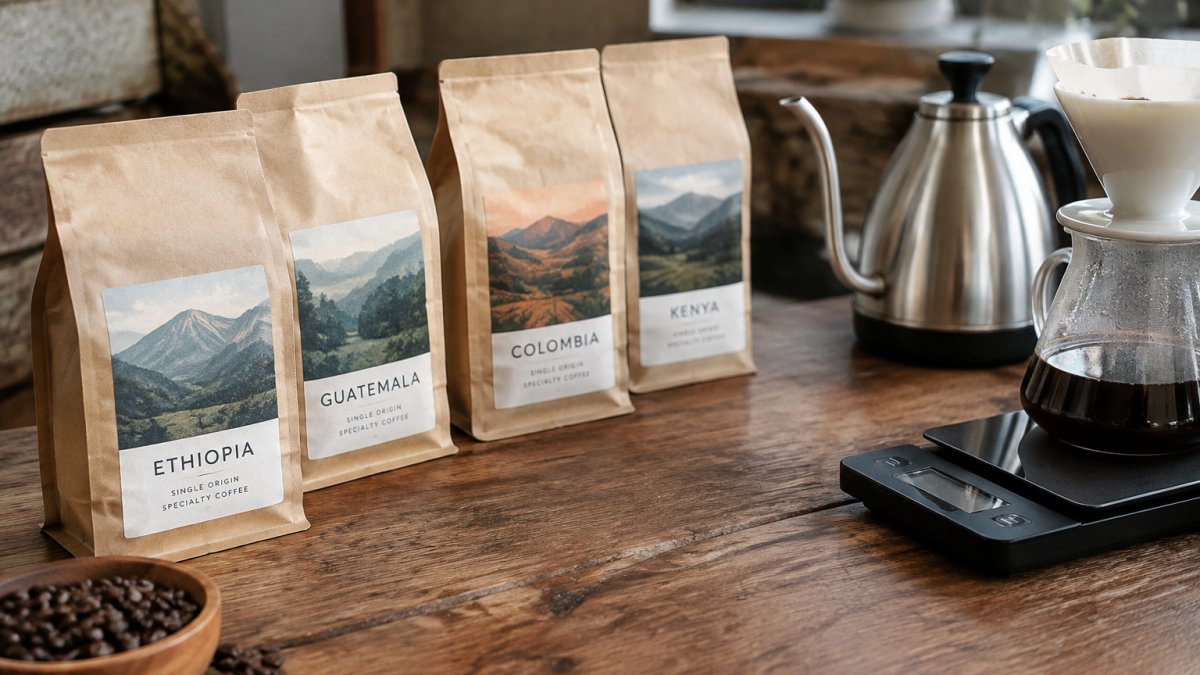
| Origin | Roast | Tasting Profile | Altitude | Price (USD) |
|---|---|---|---|---|
| High Plains Colombia | Medium | Dried orange, berry, chocolate | 1300-1500 M | $23.99 |
| Kenya | Not listed | Bright acidity, orange, lemon, floral | 1,700-1,890 M | $23.99 |
| Ethiopia Natural | Med-light | Milk chocolate, fruity, caramel | 1700-1900 M | $23.99 |
| Costa Rica | Medium | Sweet apple, raisin, honey | 1300-1445 M | $23.99 |
| Tanzania | Medium-light | Pear, floral, jasmine, strawberry | 1200-1900 M | $23.99 |
Altitude


Best for: clarity and fruit-forward cups suit the Kenya and Ethiopia Natural profiles. Chocolate-and-berry balance suits the High Plains Colombia.
Skip if: you prefer a heavy, dark, chocolate-forward cup. These medium-to-light roasts will taste brighter than that.
Pick Your First Iron Spur Bag and Dial It In
If you are new to precision brewing, start with a bag that matches your current brewer and taste. For a bright, fruit-forward starting point, Ethiopia Natural at $23.99 is a clear choice. Brew it with a coarse grind in a French press, then adjust grind size by one step after your first cup. Keep notes on the roast date, grind and ratio so you can repeat what works.

Precision brewing rewards careful sourcing and consistent technique. Iron Spur Coffee roasts to order in small batches, so each bag reflects a recent roast and a deliberate profile. Choose the origin that fits your palate, dial in your grind and ratio, and brew with the same care every morning.
Frequently Asked Questions
How long should I brew dark roast coffee in a French press?
A French press usually works best with a 4 minute steep for medium and medium-dark roasts. Dark roasts can extract bitter notes quickly, so many brewers shorten the steep to about 3 to 4 minutes and use water just off the boil, around 200 degrees Fahrenheit. Taste after the first try and adjust the time in 30 second increments until the cup tastes sweet rather than ashy.
Which coffee is stronger, French roast or dark roast?
Strength is mostly about the dose of coffee you use, not the roast name. French roast and dark roast are both taken to a darker stage, so they often taste heavier and more bitter, but they do not automatically contain more caffeine. Roast level changes flavor more than caffeine content. If you want a bold cup without bitterness, a medium or med-dark roast with a slightly higher coffee-to-water ratio gives more body while keeping the sweetness of the bean.
What is the best coffee to use with a French press?
For a French press, choose a medium roast with a coarse grind and a clean, sweet profile. Medium roasts keep the origin character while producing a full body that suits immersion brewing. Buy whole beans, grind just before brewing, and use a coarse setting so the press filter does not pass fine sediment.
How fresh should coffee beans be for precision brewing?
For precision brewing, most specialty brewers aim for beans roasted within the last few weeks, and they brew with beans that have rested at least several days after roasting so CO2 has partly released. Iron Spur roasts to order. Check the roast date on the bag, store beans in an airtight container away from heat and light, and grind only what you need for each brew.
