

Affordable Specialty Coffee Subscriptions With Fast Delivery
Table of Contents
- What Makes a Specialty Coffee Subscription Worth It
- How to Choose a Coffee Subscription
- Roast-to-Order Coffee Benefits
- Best Fresh Roasted Coffee Beans Online
- Cost Per Cup: What Affordable Actually Means
- Shipping Speed and Subscription Traps to Avoid
- Frequently Asked Questions
Last Updated: September 14, 2026
What Makes a Specialty Coffee Subscription Worth It
Specialty coffee subscriptions are recurring delivery services that ship freshly roasted, specialty-grade beans directly to your door on a schedule you choose. The format earns its keep when it solves two problems at once: stale grocery-store coffee and the hassle of hunting down a local roaster.
Here's the part most guides skip. Affordable specialty coffee subscriptions with fast delivery aren't about the cheapest bag on the shelf. They're about cost per cup, roast date, and whether the coffee actually shows up in time to drink it at peak flavor.
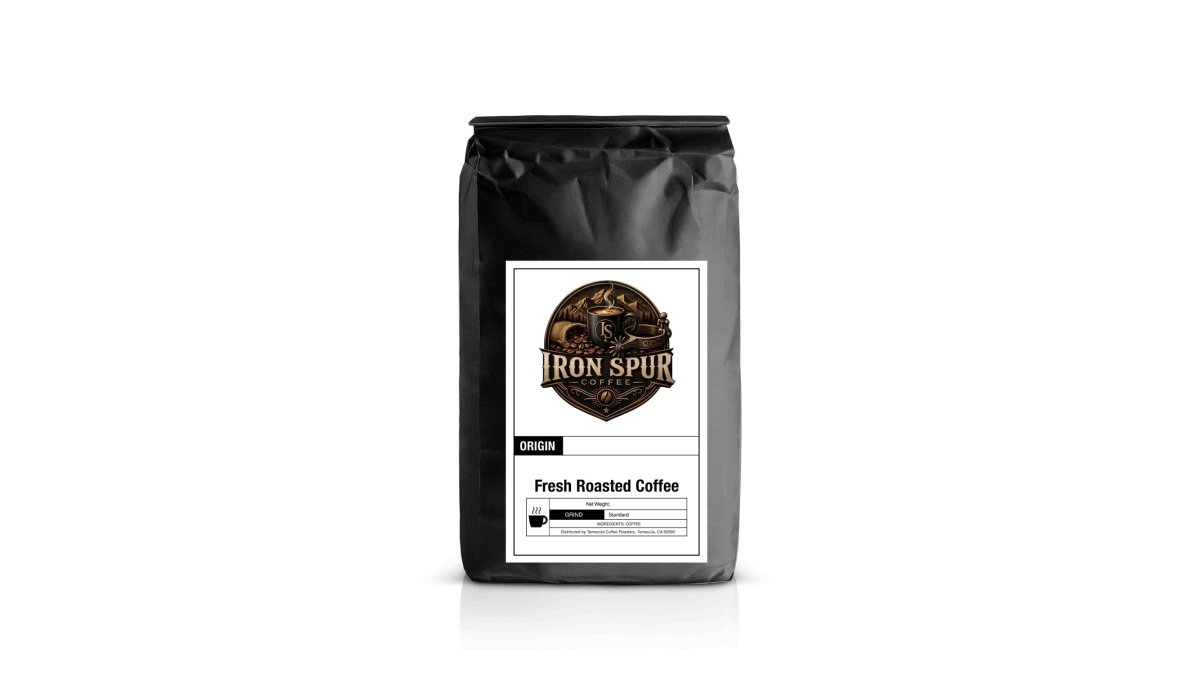
At Iron Spur Coffee, we roast to order, which means your beans hit the mailer within days of roasting, not months. That single detail separates a subscription worth paying for from one that just repackages warehouse stock.
Most people overpay for coffee they drink three weeks past its prime. A subscription fixes the freshness problem, but only if you know what to look for.
How to Choose a Coffee Subscription
Choosing a coffee subscription comes down to five variables: roast date, delivery frequency, cost per cup, cancellation terms, and how much control you keep over what lands in your mailbox. Get those right and the rest is preference.
Roast Date and Freshness Signals
The roast date is the single most useful number on any coffee bag. Whole bean coffee tastes best within roughly two to four weeks of roasting, and it fades from there. A "best by" date tells you almost nothing; a roast date tells you everything.
If a roaster won't print a roast date, that's a signal. Many businesses find that roast-to-order operations, which roast only after you order, ship the freshest possible beans. Look for a printed date, not a vague "fresh" claim.
Delivery Frequency and Flexible Cadence
Flexible cadence means you set the schedule, not the roaster. Weekly, biweekly, or monthly deliveries should all be options, and you should be able to pause or skip without a phone call.
The right delivery frequency depends on how fast you drink coffee. A two-person household going through a pot a day will empty a 12-ounce bag in about a week. A solo drinker might stretch the same bag across two or three weeks. Match the cadence to your actual consumption, or you'll end up with a cabinet full of aging beans.
| Household Size | Daily Cups | Recommended Cadence | Bag Size |
|---|---|---|---|
| Solo drinker | 1-2 cups | Every 3-4 weeks | 12 oz |
| Couple | 3-4 cups | Every 2 weeks | 12-16 oz |
| Small household | 6+ cups | Weekly | 16 oz+ |
Cost Per Cup: The Number That Decides Affordability
Sticker price is the wrong metric. Cost per cup is the right one, and it's the calculation most subscription guides skip entirely.
A 12-ounce bag of whole bean coffee brewed at a standard ratio yields roughly 24 to 30 cups. That means a $20 bag lands between $0.67 and $0.83 per cup, while a $12 bag that only yields 12 cups costs $1.00 per cup. The cheaper bag is the more expensive coffee.
| Product | Price | Approx. Cups | Cost Per Cup |
|---|---|---|---|
| 12 Pack Single Serve Capsules | $19.99 | 12 | ~$1.67 |
| 60 Pack Single Serve Capsules | $59.99 | 60 | ~$1.00 |
| Best Sellers Sample Pack (6 x 2 oz) | $24.99 | 12-18 | ~$1.40-2.08 |
| Single Origin Favorites Sample Pack (6 x 2 oz) | $24.99 | 12-18 | ~$1.40-2.08 |
Now add shipping. A $6 flat-rate shipping charge on a 24-cup bag adds $0.25 per cup. On a 12-cup bag, the same charge adds $0.50 per cup. Shipping cost per cup shrinks as bag size grows, which is why larger bags with slower cadences often win on true cost, as long as you finish them before they fade.
Cancellation, Pause, and Commitment Terms
Read the cancellation policy before you enter payment information. The terms that matter:

- Can you cancel online, or does it require a call? Online cancellation is the baseline for a consumer-friendly service.
- Is there a minimum commitment? Month-to-month is standard. Multi-month lock-ins should come with a clear discount to justify the constraint.
- Can you pause instead of cancel? Pausing is useful for travel or a slow-drinking month. A service that only offers cancel-or-continue is less flexible than it appears.
- What happens to a shipment already in the roast queue? Some services will still ship the current order after cancellation. Know the cutoff.
- Are there restocking or early-termination fees? These are rare in coffee subscriptions but worth confirming.
Personalization and Matching
Some services ask about your brew method, roast preference, and flavor profile, then match you to specific lots. Others send a rotating selection with no input. Neither is wrong, but they serve different drinkers. If you know you want medium-roast single-origin Ethiopians, a matching quiz saves you from a year of dark-roast blends. If you want to explore, a curated rotation is the better fit.
Roast-to-Order Coffee Benefits
Roast-to-order coffee is roasted only after your order is placed, which means the beans you receive are days old rather than weeks or months. The benefit shows up in the cup: brighter aroma, more complex sweetness, and noticeably less bitterness.
The tradeoff is timing. Roast-to-order adds a short production window before shipping, so you're trading a little patience for a lot of freshness. That's a fair trade if the roaster ships quickly, and a bad one if they sit on your order for a week.
This is where precision roasting matters. Iron Spur Coffee uses thermal mapping during small-batch roasting to keep the roast curve consistent and eliminate the bitter, ashy notes that come from uneven heat. Consistent roasting is what makes the flavor notes on the bag actually match what you taste.
Best Fresh Roasted Coffee Beans Online
The best fresh roasted coffee beans online are the ones roasted close to your order date and shipped fast enough to reach you at peak flavor. Two things decide that: the roaster's production model and the shipping window.
Discover Iron Spur Coffee Today →
Here's how to evaluate any online roaster before you commit:
- Roast date on the bag. If it's missing, walk away.
- Shipping speed. Ground shipping that takes a week eats into your freshness window.
- Whole bean vs. ground. Whole bean holds flavor longer in transit.
- Sourcing detail. Single-origin lots with named farms and altitudes signal a roaster who knows the supply chain.
- Cancellation policy. You should be able to stop a subscription in a few clicks.
For a low-risk way to test a roaster before subscribing, sample packs let you try several coffees at once. The Specialty Coffee Association's guidance on freshness and storage is a solid reference for how roast date and storage affect what you taste.

Cost Per Cup: What Affordable Actually Means
Affordable is a cost-per-cup question, not a sticker-price question. A $20 bag that makes 30 cups costs less per cup than a $12 bag that makes 12. Divide total price by the number of cups you actually get, and the ranking flips fast.
Here's the math most people skip. A 12-ounce bag of whole bean coffee brewed at a standard ratio yields roughly 24 to 30 cups. Run the numbers before you judge a price.
| Product | Price | Approx. Cups | Cost Per Cup |
|---|---|---|---|
| 12 Pack Single Serve Capsules | $19.99 | 12 | ~$1.67 |
| 60 Pack Single Serve Capsules | $59.99 | 60 | ~$1.00 |
| Best Sellers Sample Pack (6 x 2 oz) | $24.99 | 12-18 | ~$1.40-2.08 |
| Single Origin Favorites Sample Pack (6 x 2 oz) | $24.99 | 12-18 | ~$1.40-2.08 |
Price Per Ounce Breakdown
Price per ounce is the cleanest way to compare bags of different sizes. A 12-ounce bag at $18 works out to $1.50 per ounce; a 16-ounce bag at $20 comes to $1.25 per ounce. Bigger bags usually win on price per ounce, but only if you'll drink them before they go stale.
That's the tension with subscriptions. Buying in bulk lowers your price per ounce but raises the risk of stale coffee if your cadence is too slow. Match bag size to consumption and you get the lower price without the waste.
Shipping Speed and Subscription Traps to Avoid
Shipping speed decides whether roast-to-order coffee reaches you fresh or merely fresh-ish. A roaster who roasts Monday and ships Tuesday beats one who roasts Monday and ships Friday, even at the same bag price. The difference shows up in the cup, and it's measurable.
Real-World Transit Benchmarks
Most guides wave at "fast delivery" without saying what fast actually means. Here's the practical framework, based on how U.S. carriers move small parcels and how roast-to-order operations typically schedule production.
| Fulfillment Model | Roast-to-Ship Window | Typical Ground Transit | Days from Roast to Doorstep |
|---|---|---|---|
| Same-day roast and ship | 0-1 business days | 2-5 business days | 2-6 days |
| Batch roast, ship next day | 1-2 business days | 2-5 business days | 3-7 days |
| Weekly roast schedule | 3-7 business days | 2-5 business days | 5-12 days |
| Warehouse stock | N/A (already roasted) | 2-5 business days | 2-5 days, but roast date unknown |
The last row is the trap. A warehouse-stock roaster can post a fast transit time because the coffee was roasted weeks ago. Speed of delivery and freshness of coffee are two different numbers, and only one of them matters for flavor.
Ground transit itself is fairly predictable. The U.S. Postal Service delivery timeframes publish service standards by origin and destination zone, and most domestic ground parcels land in two to five business days. Expedited options compress that to one to three days but add cost that eats into the affordability calculation.
What Actually Slows a Subscription Down
Three fulfillment patterns reliably push coffee past its peak window:
- Weekly roast batching. The roaster waits until enough orders accumulate, then roasts once. Your bag may sit in a queue for several days before it's even green-to-brown.
- Order-then-source. Some roasters don't hold inventory and order green beans after you subscribe. That adds days before roasting even begins.
- Weekend order cutoffs. Orders placed Friday afternoon may not enter the roast queue until Monday, adding two days of dead time.
A roaster that roasts to order and ships within one business day avoids all three. Ask before you subscribe: what's the roast-to-ship window, and what carrier do you use by default?
Subscription Traps to Avoid
- Auto-renewal you can't easily cancel. A legitimate subscription lets you cancel online without a retention call. If cancellation requires a phone call during business hours, that's a design choice, not a limitation.
- Slow fulfillment disguised as "fresh." Roast-to-order only works if shipping keeps pace. A five-day roast-to-ship window plus five-day transit means ten days of aging before you brew.
- Bundled "free" shipping that inflates the bag price. Compare the total delivered cost, not the shipping line. A $22 bag with "free" shipping and a $16 bag with $6 shipping cost the same at the door.
- No roast date. If the bag is undated, you can't verify freshness, and you can't hold the roaster accountable.
- Minimum commitment periods. Month-to-month is the standard for a reason. Multi-month lock-ins make it harder to leave if the coffee or the cadence doesn't fit.
- Silent cadence changes. Some services shorten your delivery interval after a few months without an explicit opt-in. Check your account settings after the first three shipments.
Iron Spur Coffee roasts to order and ships fast, so the freshness window stays intact from roaster to doorstep. For anyone weighing shipping logistics against freshness, the U.S. Postal Service delivery timeframes give a realistic baseline for ground transit.
Frequently Asked Questions
What is the best and most affordable coffee subscription?
Affordability depends on cost per cup, not just the sticker price. Iron Spur Coffee offers a 60-pack of single serve capsules for $59.99, which works out to about $1 per cup. Sample packs start at $24.99 for six 2-ounce bags, letting you test roast profiles before committing to a larger order. Look for subscriptions that roast to order and ship fast so you are not paying for stale beans.
How can I ensure my coffee subscription arrives as fresh as possible?
Check for a roast date on the bag, not just a best-by date. Roast-to-order services like Iron Spur Coffee roast after you order, so beans arrive within days of roasting rather than weeks. Choose a delivery frequency that matches your brewing pace so you are not stockpiling bags. Whole bean coffee stays fresh longer than ground, so grind just before brewing.
Are specialty coffee subscriptions actually cheaper than buying in stores?
Not always cheaper per bag, but often cheaper per cup. Grocery store coffee may cost less upfront, but older roast dates mean you use more grounds to get the same flavor. A $19.99 12-pack of single serve capsules from Iron Spur Coffee delivers consistent strength without waste. When you factor in freshness and no forgotten store runs, the value per ounce often favors subscriptions.
What factors influence the shipping speed of coffee subscriptions?
Roast schedule, order cutoff times, and carrier choice matter most. Some roasters batch-roast weekly, adding days before your order ships. Iron Spur Coffee roasts to order and ships quickly so your coffee does not sit in a warehouse. Check whether shipping costs are included and whether the service offers tracking. Fast delivery matters because coffee peaks in flavor within two to three weeks of roasting.
Is it worth getting a coffee subscription for daily brewing?
If you drink coffee daily, a subscription prevents running out and keeps a steady supply of fresh beans. Iron Spur Coffee's 60-pack of single serve capsules at $59.99 covers about two months of daily brewing for one person. Subscriptions also lock in a roast profile you like, so you are not guessing at the store. Start with a sample pack if you are unsure which flavor profile fits your routine.