

Top 5 Specialty Coffee Brands for Adventurous Palates
Table of Contents
- Quick Comparison: Top 5 Specialty Coffee Brands
- 1. Whiskey Barrel Aged: Bourbon-Barrel Complexity
- 2. Coffee with Mushrooms Dark Roast: Functional Fuel for Long Days
- 3. Dubai Chocolate: Dessert-Inspired Adventure
- 4. Asian Plateau Blend: Herbal Depth and Heavy Body
- 5. Kopi Safari: Brightness Meets Depth
- Specialty Grade Coffee Standards: What Separates These Beans
- Coffee Flavor Notes Guide: Reading the Label Like a Pro
- Frequently Asked Questions
Last Updated: September 22, 2026
Quick Comparison: Top 5 Specialty Coffee Brands
Finding the top 5 specialty coffee brands for adventurous palates starts with one question: does the roaster treat flavor as a destination or an accident? This guide from Iron Spur Coffee cuts through the noise. We evaluated roast profiles, processing methods, and how each option actually tastes in the cup, not just on the label.
The five picks below cover barrel-aged complexity, functional blends, dessert-inspired cups, and origin-driven depth. Each one earns its place because the roaster controls the variables that matter: bean quality, roast precision, and freshness.
| Coffee | Price | Flavor Direction | Best For |
|---|---|---|---|
| Whiskey Barrel Aged | $23.99 | Bourbon barrel, oak, caramel | Slow weekend cups |
| Coffee with Mushrooms Dark Roast | $20.99 | Bold roast, earthy depth | Long workdays |
| Dubai Chocolate | $23.99 | Chocolate, dessert richness | Sweet-tooth drinkers |
| Asian Plateau Blend | $23.99 | Herbal, heavy body | Hot brewed mornings |
| Kopi Safari | $23.99 | Bright and grounding | Balanced daily drinking |
How We Evaluated These Specialty Coffee Brands
We scored each coffee on four criteria: bean sourcing, roast control, flavor distinctiveness, and freshness at delivery. Specialty-grade beans and small-batch roasting carried the most weight. A coffee only made this list if its flavor notes held up in the cup, not just in the marketing copy.

Roast-to-order practices mattered too. Coffee peaks within days of roasting, so a roaster who ships fast protects the flavor you paid for. Every pick below meets that bar.
1. Whiskey Barrel Aged: Bourbon-Barrel Complexity
The most adventurous cup on this list starts with a single-origin Guatemalan bean aged 30 days in a bourbon barrel, then roasted to order. The barrel does the heavy lifting. You get oak, vanilla, and a warm caramel sweetness that most coffee can't touch.
This is a sipping coffee, not a rush-out-the-door coffee. Brew it hot and drink it black first. Milk flattens the barrel character.
What works: The 30-day aging period builds real depth instead of a sprayed-on flavor.
What to know: It's a limited-style roast, so grab it when it's in stock.
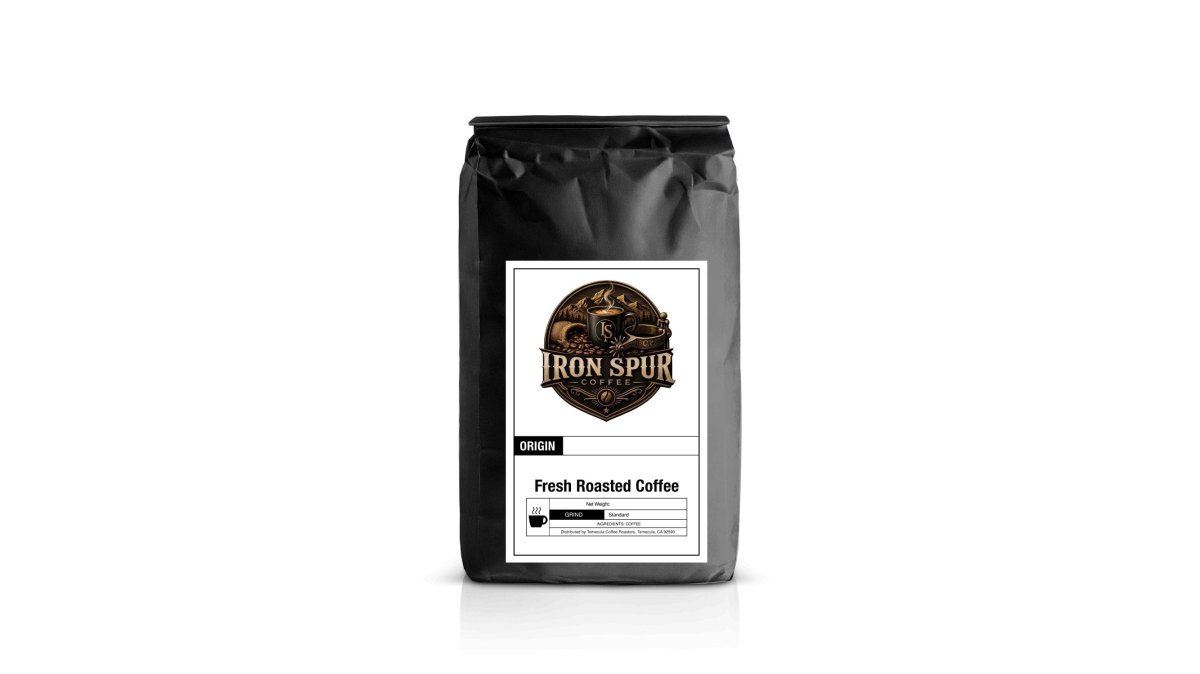
2. Coffee with Mushrooms Dark Roast: Functional Fuel for Long Days
Functional coffee meets dark roast here. This specialty-grade blend infuses Lion's Mane, Cordyceps, and Reishi mushrooms into the beans, giving you a bold cup with earthy undertones and a smoother finish than most dark roasts deliver.

For field workers and anyone grinding through a 12-hour day, this is the pick. The dark roast keeps the flavor strong while the mushroom blend adds a grounded, almost savory note underneath.
- Lion's Mane: tied to clarity and focus in traditional food cultures
- Cordyceps: long valued for stamina and vitality
- Reishi: known as the mushroom of balance for its grounding qualities
If you want the same blend in a medium roast, Dusty Trail uses the identical mushroom trio at $20.99.
3. Dubai Chocolate: Dessert-Inspired Adventure
Dessert coffee usually means syrup. This one doesn't. Dubai Chocolate blends single-origin coffee with natural flavorings for a rich, chocolate-forward cup that tastes like a treat without the sugar bomb.

4. Asian Plateau Blend: Herbal Depth and Heavy Body
Heavy body and herbal notes define this medium roast, built from blended Southeast Asian coffees grown under full sun with environmentally friendly washed processing. The aroma is strong, the flavor is consistent, and it performs best as a hot drink.
5. Kopi Safari: Brightness Meets Depth
Kopi Safari is a post-roast blend built for harmony: lively brightness up front, grounding depth on the finish. It's the most balanced coffee on this list and the easiest to drink daily without fatigue.
Specialty Grade Coffee Standards: What Separates These Beans
Specialty grade coffee is coffee that scores 80 points or higher on the 100-point scale used by licensed Q graders, with zero primary defects. That threshold, maintained by the Specialty Coffee Association, is what separates these beans from commodity coffee. Below it, you're drinking grocery-store coffee with a nicer bag.
Three things push a coffee over that line:
- Bean quality: grown at high elevation, hand-sorted, defect-free
- Processing control: washed, natural, or honey methods applied with precision
- Roast discipline: small-batch roasting with thermal mapping to eliminate bitterness
Why Processing Method Is the Real Adventure Variable
If you want to understand why one coffee tastes like blueberries and another like smoked cedar, look at the processing method before the origin. Processing is how the fruit is stripped from the seed, and it drives more flavor variation than roast level does.
- Washed: fruit removed before drying. Clean, bright, transparent. You taste the bean and the terroir, not the fruit. This is why the Asian Plateau Blend reads herbal instead of muddy.
- Natural: fruit left on the seed while it dries. Heavy fruit, wine-like, sometimes boozy. Higher risk of inconsistency, higher reward when done well.
- Honey: some mucilage left on during drying. Splits the difference, sweetness and body without the full fermented punch.
- Anaerobic: sealed tanks with limited oxygen, often with controlled temperature and time. Pushes toward tropical, cinnamon, and sometimes distinctly funky notes.
- Carbonic maceration: whole cherries in a CO2-rich tank, borrowed from winemaking. Produces the most intense, jammy, and polarizing cups on the market.
How to Read a Roast Date Like a Grader
Freshness is the fourth pillar, and it's the one most buyers ignore. Coffee peaks in a window, not on a single day.
Coffee Flavor Notes Guide: Reading the Label Like a Pro
Flavor notes describe what a coffee tastes like, not what's added to it. When a bag says "floral" or "wine-like," that's the bean's natural character showing through, shaped by origin, varietal, and processing method.
Use this quick framework to decode any label:
- Fruity or floral: usually a light roast, often African or high-elevation origin
- Chocolate or nutty: medium to dark roast, common in Latin American beans
- Herbal or earthy: Southeast Asian origins, often washed process
- Wine-like or fermented: natural or anaerobic fermentation, experimental processing
Sensory Training for Beginners: How to Build an Adventurous Palate
Most guides assume you already know how to taste. Palate is a skill, and it's trainable.
Start with a reference kit, not a coffee bag.
Use a simple three-pass method on every cup:
- Smell before you sip. Aroma carries most of what you'll later call "flavor."
- Slurp, don't sip. Drawing air across the coffee spreads it across your whole palate instead of just the tip of your tongue.
- Wait for the finish. The aftertaste 30 seconds later is often where the most distinctive note lives, that's the part that separates a $20 bag from a $12 one.
Pairing Adventurous Coffee with Food
Once you can identify a profile, pairing turns a cup into an experience. The rule is simple: match intensity, contrast flavor.
- Whiskey Barrel Aged: pair with aged cheddar or dark chocolate. The oak and caramel notes echo the barrel character instead of fighting it.
- Coffee with Mushrooms Dark Roast: pair with a savory breakfast, eggs, mushrooms, whole-grain toast. The earthy base complements rather than competes.
- Dubai Chocolate: pair with plain shortbread or a lightly salted nut. The dessert note leads; the food stays out of the way.
- Asian Plateau Blend: pair with herbal or spiced dishes, cardamom, ginger, or a simple rice bowl. The heavy body holds up to seasoning.
- Kopi Safari: pair with fruit or a light pastry. Its balance makes it the most flexible cup on this list.
Frequently Asked Questions
What defines a specialty coffee brand?
A specialty coffee brand earns its label through bean quality and handling. Specialty grade coffee scores 80 or higher on the 100-point scale set by the Specialty Coffee Association, meaning it has no primary defects and distinct flavor characteristics. These brands source high-elevation beans, roast in small batches, and often use direct trade relationships. Iron Spur Coffee meets these standards by sourcing specialty-grade beans, roasting to order, and using thermal mapping to eliminate bitterness.
How do I identify high-quality specialty coffee beans?
Look for a few markers on the bag: a roast date (not just a best-by date), specific origin information like a single-origin or micro-lot name, and a cupping score or grade reference. Whole bean coffee retains freshness longer than pre-ground. Iron Spur Coffee roasts to order and ships fast, so the beans arrive within days of roasting, not months. Avoid bags with vague labels like 'gourmet' or 'premium' without origin details.
What makes a coffee flavor profile 'adventurous'?
Adventurous coffee moves past standard nutty or chocolatey notes into territory like floral, fruity, wine-like, or herbal profiles. This often comes from experimental processing methods such as anaerobic fermentation, natural process, or honey process, which change how the coffee cherry's sugars interact with the bean. Varietals like heirloom and micro-lots from specific farms also add complexity. Iron Spur Coffee's Asian Plateau Blend, for example, offers herbal notes and a heavy body for drinkers who want something different.
How should I store specialty coffee to maintain freshness?
Store whole bean coffee in an airtight container away from light, heat, and moisture. A dark cabinet works better than a countertop jar. Buy in smaller amounts and use within two to four weeks of the roast date. Iron Spur Coffee's roast-to-order model means your bag starts fresh, so proper storage preserves that advantage.
How does high-elevation growing affect coffee taste?
Higher elevations slow cherry maturation, which lets sugars develop more fully and creates denser beans. That density translates to more acidity, complexity, and flavor clarity in the cup. Most specialty grade coffee comes from elevations above 1,200 meters. Iron Spur Coffee sources from high-elevation estate environments specifically for this reason, which is why their roasts show complex sweetness and deep flavor notes rather than flat bitterness.