

Natural Coffee Alternatives for Morning Productivity
Table of Contents
- Why Switch from Coffee: Energy Crash, Jitters, and Caffeine Sensitivity
- Comparison Table: Natural Coffee Alternatives at a Glance
- Adaptogens for Mental Clarity: Mushroom Blends and Beyond
- Benefits of Matcha vs Coffee for Work: Focus Without the Crash
- Caffeine-Free Herbal Alternatives: Chicory, Golden Milk, and More
- Morning Routine Habits for High Performance: Timing and Transition Timeline
- How to Manage Caffeine Withdrawal and Track Productivity Metrics
- Conclusion: Building a Sustainable Morning Fuel Strategy
- Frequently Asked Questions
Last Updated: September 16, 2026
Why Switch from Coffee: Energy Crash, Jitters, and Caffeine Sensitivity
Natural coffee alternatives for morning productivity have gone mainstream for a simple reason: caffeine delivers a fast spike followed by a predictable drop. For anyone sensitive to stimulants, that drop arrives as an energy crash, a racing heart, or jitters that make focused work harder. This guide covers which alternatives hold up, how to transition without misery, and how to measure whether the switch is working.
- The crash hits within two hours of your first cup
- You feel wired but scattered, not sharp
- Sleep quality drops even when you stop drinking coffee by early afternoon
Comparison Table: Natural Coffee Alternatives at a Glance
The table below summarizes each option, what it is best for, and how it fits a working morning.
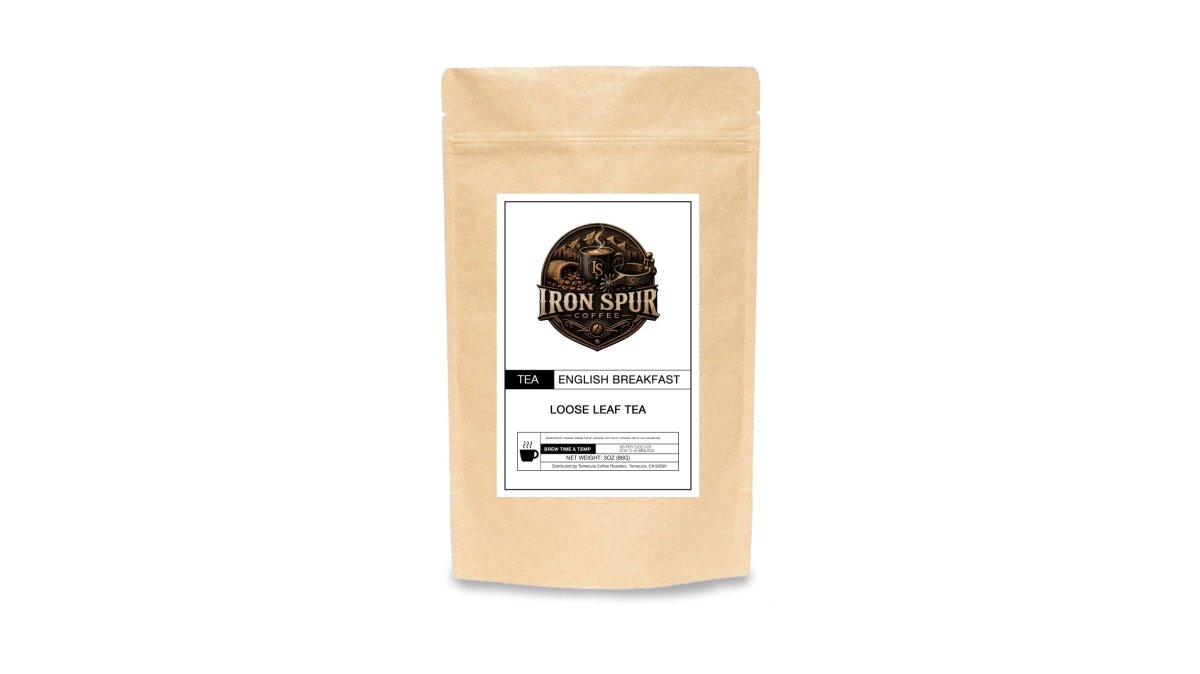
| Alternative | Caffeine Level | Best For | Flavor Profile |
|---|---|---|---|
| Mushroom coffee blends | Moderate | Focus without jitters | Earthy, smooth, low bitterness |
| Matcha | Moderate | Sustained energy, calm focus | Grassy, umami, slightly sweet |
| Hojicha | Low | Afternoon-friendly warmth | Toasted cereal, mild umami |
| Chicory root | None | Coffee-like ritual, no stimulant | Nutty, roasted, dark |
| Golden milk | None | Evening or wind-down mornings | Warm, spiced, creamy |
| English Breakfast tea | Moderate | Traditional, milk-friendly cup | Rustic, sweet, full-bodied |
| Masala chai | Moderate | Bold, aromatic start | Spicy, intense, full-bodied |
Adaptogens for Mental Clarity: Mushroom Blends and Beyond
Adaptogens for mental clarity work best paired with a delivery method you will actually repeat every morning. Mushroom blends are the most practical entry point because they slot into an existing coffee ritual rather than replacing it.


Benefits of Matcha vs Coffee for Work: Focus Without the Crash
The benefits of matcha vs coffee for work come down to caffeine delivery. Matcha provides a steadier release many describe as calm focus rather than a sharp spike, making it a strong fit for deep work blocks.

Caffeine-Free Herbal Alternatives: Chicory, Golden Milk, and More
Caffeine-free options matter most for genuine caffeine sensitivity or an afternoon ritual that will not wreck sleep. Chicory root is the closest coffee substitute in flavor: roasted and ground, it brews dark and nutty with no stimulant. Many people blend it half-and-half with regular coffee while tapering down.
Budget-friendly DIY versions:
- Chicory cup: 1 tbsp roasted chicory root, 8 oz hot water, steep 5 minutes
- Golden milk: 1 cup milk of choice, 1 tsp turmeric, pinch black pepper, pinch cinnamon, warm gently
- Herbal infusion: rooibos or peppermint, steeped 5-7 minutes for a stimulant-free start
Morning Routine Habits for High Performance: Timing and Transition Timeline
Morning routine habits for high performance are less about willpower than sequencing. The timeline below is a practical framework, not a rulebook; adjust the pace to how you feel.
| Phase | Duration | What Changes | What to Watch |
|---|---|---|---|
| Phase 1: Baseline | Days 1-3 | Track current caffeine intake and crash timing | Note when energy drops |
| Phase 2: Swap one cup | Days 4-10 | Replace the second cup with matcha or mushroom coffee | Mild headaches possible |
| Phase 3: Add caffeine-free | Days 11-21 | Introduce chicory or herbal infusion for afternoon | Sleep should improve |
| Phase 4: Stabilize | Days 22-30 | Lock in a repeatable morning sequence | Energy should feel steadier |
A concrete 7-day weaning week
For a tighter, more structured plan, this is the version most people finish:
- Day 1: Keep your normal first cup. Log the exact time your energy drops. Swap nothing yet.
- Day 2: First cup as usual. Replace the second cup with matcha or mushroom coffee.
- Day 3: Same as Day 2. Add a glass of water with a pinch of salt before the first cup.
- Day 4: Cut the first cup by about a quarter. Keep the matcha or mushroom swap in place.
- Day 5: Cut the first cup to half. Add 10 minutes of morning daylight before you drink anything.
- Day 6: First cup at half strength, second cup replaced with chicory or an herbal infusion.
- Day 7: First cup at half strength or a full swap to mushroom coffee. Log crash time again and compare to Day 1.
Budget-friendly DIY versions (the gap most guides miss)
Most ranking articles push expensive pre-made blends. You can build the same function from pantry staples for a fraction of the cost:
- Chicory cup: 1 tbsp roasted chicory root, 8 oz hot water, steep 5 minutes. Nutty, coffee-like, zero caffeine.
- Golden milk: 1 cup milk of choice, 1 tsp turmeric, pinch black pepper (it helps your body absorb the turmeric), pinch cinnamon, warmed gently.
- Mushroom-style blend: 1 tsp cocoa powder, 1/2 tsp cinnamon, a scoop of culinary-grade lion's mane or reishi powder if you have it, hot water or milk.
- Herbal infusion: rooibos or peppermint, steeped 5-7 minutes for a stimulant-free start.
- Half-and-half taper: brew half regular coffee, half chicory, and shift the ratio over a week.
Timing anchors that do more than the drink
Pair the swap with habits that support steady energy: hydrate before your first cup, eat protein within an hour of waking, and get early daylight. These do more for morning productivity than any single beverage. Sequence it: water and daylight first, protein second, drink third, so the drink is a top-up, not the foundation.
Coffee with Mushrooms Dark Roast →
How to Manage Caffeine Withdrawal and Track Productivity Metrics
Caffeine withdrawal symptoms are real and predictable, and knowing the mechanism makes them easier to ride out. Caffeine blocks adenosine, the molecule that builds sleep pressure across the day. When you stop, backed-up adenosine floods receptors at once, why headache, fatigue, and fog hit within 12 to 24 hours and peak around day two. Most people feel meaningfully better by day five to seven.
What actually shortens the rough patch:
- Taper, don't quit. Cut total caffeine by roughly 25 percent every three to four days. Going from three cups to zero overnight is the single biggest cause of a miserable week.
- Hydrate and add electrolytes. Withdrawal headaches worsen with dehydration; a pinch of salt and potassium in water does more than a plain glass.
- Move the caffeine earlier, not later. If you keep one cup, drink it before 10 a.m. so residual adenosine clearance isn't fighting your sleep that night.
- Get 10 to 15 minutes of morning daylight. Light exposure anchors your circadian rhythm and independently lifts alertness, so you're not leaning on the cup for the wake-up signal.
The gut-health angle most guides skip
Many people who switch aren't chasing focus, they're chasing a calmer stomach. Coffee is acidic and stimulates gastric acid and gut motility, which for some means reflux, urgency, or a sour stomach before 9 a.m. Chicory root stands out: it's a prebiotic fiber (inulin) that feeds beneficial gut bacteria rather than passing through (pubmed.ncbi.nlm.nih.gov). That's a trade-off, not a free win, start small, because a full mug can cause bloating and gas while your gut adjusts.
Tracking productivity with numbers, not vibes
- Time to first focused work block, minutes from waking to starting real work (not email, not scrolling).
- Crash time, the clock time your energy drops, logged daily. The goal is to push this later and flatten it.
- Deep work hours per day, uninterrupted, high-concentration time, tracked in a simple log.
- Sleep onset latency, roughly how long it takes to fall asleep. This is the metric that quietly improves first when you cut late caffeine.
- Afternoon error rate, for knowledge work, note how many corrections or re-reads you do after 1 p.m.
For broader context on caffeine and sleep, the FDA guidance on caffeine and health is a reasonable starting reference, and the CDC information on sleep and caffeine covers how stimulants affect rest.
Conclusion: Building a Sustainable Morning Fuel Strategy
The hard part is not choosing an alternative but building a morning sequence you will actually repeat on a bad-weather, early-start, twelve-hour day. That is where most switches fail.
Frequently Asked Questions
What can replace coffee in the morning for sustained energy?
Matcha, adaptogenic mushroom blends, and chicory root are strong options for sustained energy. Matcha provides caffeine paired with L-theanine for a slower release, while mushroom blends like Iron Spur's Coffee with Mushrooms Dark Roast combine specialty coffee with Lion's Mane, Cordyceps, and Reishi for balanced focus. Chicory root offers a caffeine-free alternative with prebiotic fiber. Each option supports steady energy without the sharp crash that can follow a high-caffeine cup.
How do adaptogens for mental clarity actually work in a morning drink?
Adaptogens are botanicals and fungi traditionally used to help the body manage stress and support focus. In a morning drink, Lion's Mane is associated with clarity, Cordyceps with stamina, and Reishi with calm balance. Iron Spur's mushroom coffee blends these with specialty-grade beans, so you get the ritual of coffee plus potential cognitive support. The effect is gradual, not a jolt, making it a fit for a disciplined morning routine.
What are the benefits of matcha vs coffee for work?
Matcha delivers caffeine alongside L-theanine, an amino acid linked to calm alertness. This combination often produces a steadier focus than coffee, with less jitteriness. Coffee provides a faster lift but can lead to an energy dip. For work that demands prolonged concentration, matcha or a blend like Iron Spur's Matcha may help maintain mental clarity without the crash. Coffee remains a strong choice for quick energy, especially blends like Max Caf.
How can I manage caffeine withdrawal when switching to natural alternatives?
Taper gradually over one to two weeks. Replace one cup of coffee with a lower-caffeine option like matcha or a half-caf blend, then increase the ratio every few days. Stay hydrated and keep a consistent morning routine to reduce habit-driven cravings. If headaches appear, a small amount of caffeine from a source like Long Ride + can ease the transition. Track your focus and energy to see progress.
Do caffeine-free morning drinks provide the same mental clarity as coffee?
They can support clarity through different mechanisms. Caffeine-free options like chicory root, golden milk, or herbal infusions rely on compounds such as antioxidants and adaptogens rather than stimulants. Some people find they have steadier focus without the anxiety or crash linked to caffeine. For a stimulant-free morning, try a caffeine-free herbal infusion or a mushroom blend without added caffeine, and pair it with morning routine habits for high performance.