

Is Roasting to Order Worth It? A Cost & Flavor Analysis
Table of Contents
- What Does Roasting to Order Actually Mean?
- Roasted to Order vs Pre-Packaged Coffee: The Real Differences
- How Long Does Coffee Stay Fresh After Roasting?
- Understanding the Coffee Degassing Process
- Cost Analysis: Is Roasting to Order Worth the Price?
- Speed and Convenience: The Trade-Off
- Is Roasting to Order Worth It for Your Situation?
- Conclusion
Last Updated: August 8, 2026
What Does Roasting to Order Actually Mean?
Roasting to order is the practice of roasting green coffee beans immediately after you place an order, rather than purchasing pre-roasted inventory that's been sitting on shelves for weeks. The roaster receives your request, selects the beans, applies heat and precision control to develop specific flavor notes, and ships the coffee within days of roasting, sometimes within 24 hours.
This differs fundamentally from the conventional model where roasters batch-roast large quantities in advance and sell from existing stock. When you buy roasted to order, you're getting coffee at peak freshness. Once roasted, coffee begins losing aromatic compounds and flavor complexity almost immediately. A bag roasted three weeks ago has already surrendered much of what makes specialty coffee worth seeking out.
Iron Spur Coffee operates on this roast-to-order model, using precision thermal mapping during the roasting process to eliminate bitter compounds and develop the complex sweetness that distinguishes specialty-grade coffee. The trade-off is straightforward: you wait longer for delivery, but you receive a substantially fresher product.

Roasted to Order vs Pre-Packaged Coffee: The Real Differences
Flavor and Aroma Peak
When coffee is roasted, it enters a window of optimal flavor expression that begins immediately and narrows over time. The first 5-7 days after roasting, the coffee is still degassing, releasing CO2 created during the roasting process. By day 14-21 post-roast, the coffee reaches its sweet spot for flavor complexity and balance.
Pre-packaged coffee purchased at retail has often been roasted 3-6 weeks prior. It's past its peak. The aromatic compounds have oxidized. The acidity has flattened. Roasted-to-order coffee arrives during that 5-21 day window when flavor is at its most expressive. The difference in a cup is tangible: brighter acidity, more defined flavor notes, fuller body, and a finish that lingers rather than disappears.
For outdoor enthusiasts and field professionals who depend on coffee as genuine fuel, this matters. A cup with actual character delivers better psychological boost and sensory satisfaction than one that tastes flat and one-dimensional.
Customization and Freshness Control
When you order from a roaster working on a roast-to-order model, you often have input into the roast level and profile. Some roasters offer light, medium, and dark options. Others allow you to specify your brewing method, espresso, pour-over, French press, and adjust the roast profile accordingly.
This level of control doesn't exist with pre-packaged coffee. Iron Spur Coffee's roast-to-order approach means your order is roasted to specification. Additionally, you know exactly when the coffee was roasted and can plan your consumption accordingly.
How Long Does Coffee Stay Fresh After Roasting?
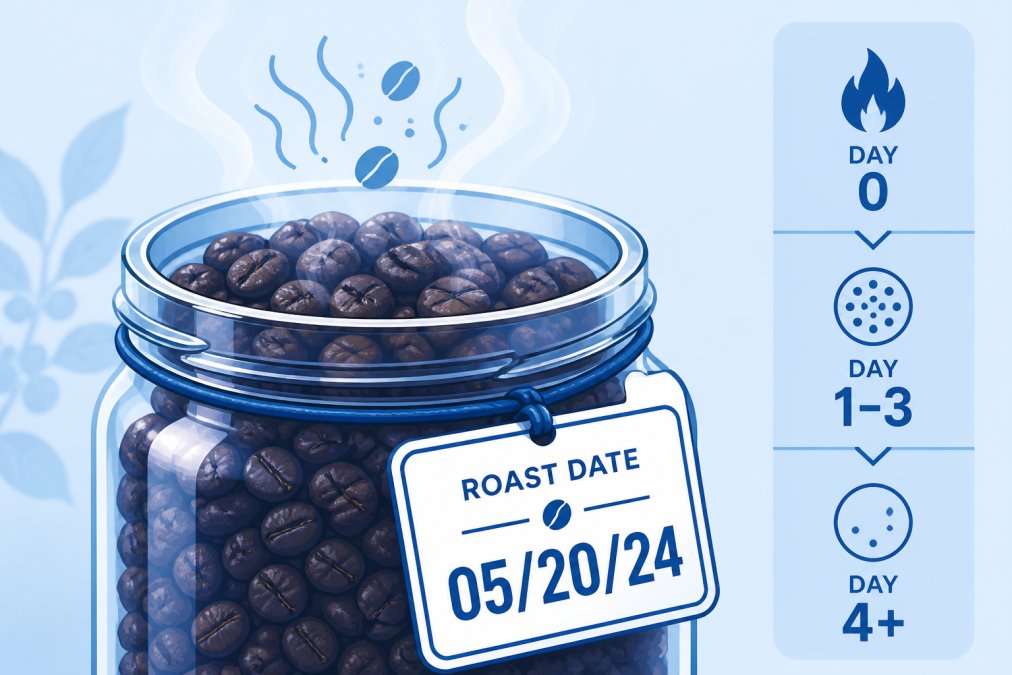
The freshness of roasted coffee follows a predictable arc. Immediately after roasting, the first 12-24 hours, coffee is still releasing significant amounts of CO2. During this window, the coffee is not ideal for brewing.
From day 2 through day 21, the coffee is in its optimal window. The degassing has progressed enough that brewing works properly, but the coffee hasn't yet begun losing aromatic compounds to oxidation. After day 21, the coffee is still drinkable but declining. By day 45-60, roasted coffee has crossed into "functional caffeine delivery" rather than "specialty beverage."
If you're buying pre-packaged coffee at retail, you're almost certainly drinking coffee that's past its flavor peak. Roasted-to-order coffee arrives during the window when it's actually meant to be consumed.
Understanding the Coffee Degassing Process
Degassing is the process by which carbon dioxide created during roasting escapes from the coffee beans over time. During roasting, heat causes the cellular structure of the bean to break down and release gases, primarily CO2. At the moment roasting stops, the beans are saturated with this gas.
When CO2 is trapped in the beans, it creates a barrier between water and the coffee's soluble compounds. Water can't penetrate effectively, resulting in sour, thin coffee lacking body and complexity. The degassing process typically takes 5-7 days for most roast levels.
A reputable roast-to-order operation times shipment so the coffee arrives at day 3-4 post-roast, allowing you to brew it during the optimal window. Pre-packaged coffee has been degassing in a warehouse for weeks. All the CO2 has escaped, but the coffee is also fully oxidized.
Cost Analysis: Is Roasting to Order Worth the Price?
Price Comparison
Specialty roasted-to-order coffee typically ranges from $18-$28 per 12-ounce bag. Iron Spur Coffee's Whiskey Barrel Aged, a single-origin Guatemalan roasted to order and aged 30 days in bourbon barrels, retails at $23.99. Pre-packaged specialty coffee at retail averages $12-$18 per bag. Commodity coffee costs $6-$12 per bag.
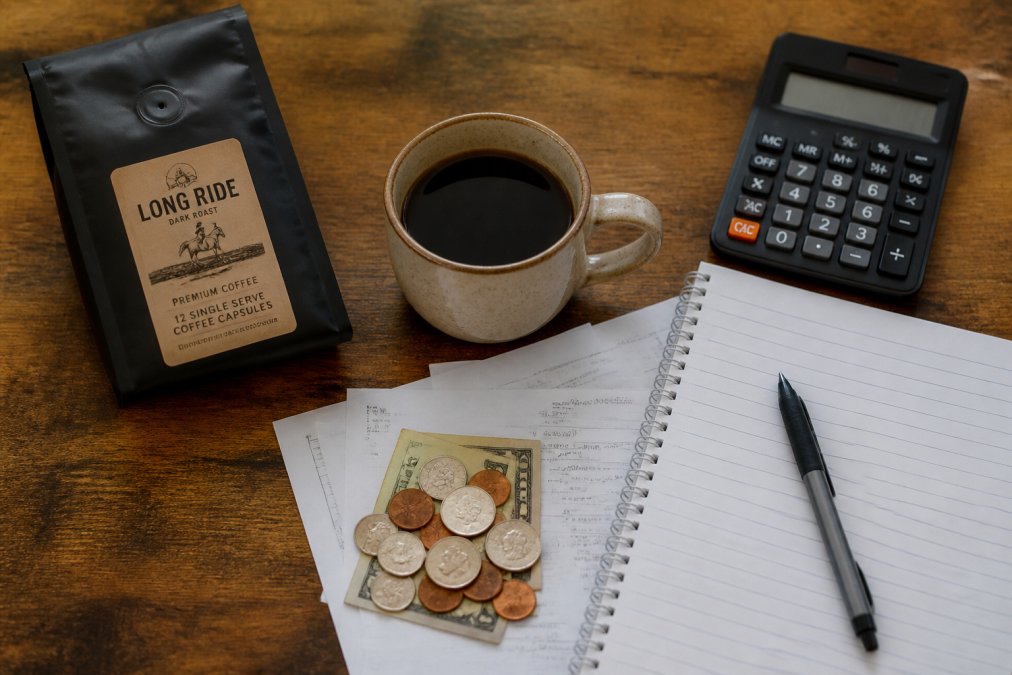
A single 12-ounce bag of specialty roasted-to-order coffee makes approximately 12-15 cups. At $23.99, that's roughly $1.60-$2.00 per cup, compared to $1.00-$1.25 for pre-packaged specialty coffee or $0.50-$0.70 for commodity coffee. The cost difference per cup is roughly $0.50-$1.00 more for roasting to order.
Discover Iron Spur Coffee Today →
The relevant question isn't whether roasting to order is cheaper. It's whether the flavor improvement justifies the premium.
The ROI of Flavor Quality
Return on investment in coffee is experiential rather than financial. Specialty coffee drinkers typically rely on coffee as a genuine performance tool. For outdoor enthusiasts, field professionals, and entrepreneurs, the quality of the coffee directly impacts how well it performs.
A cup of flat, oxidized pre-packaged coffee delivers caffeine but not the sensory satisfaction that comes with a genuinely flavorful cup. If you drink two cups daily, roasting to order costs an additional $1.00 per cup, or $730 annually. For someone earning $50,000-$150,000+ annually, this is minimal relative to the improvement in daily experience and performance.
Speed and Convenience: The Trade-Off
Roasting to order introduces a delay that doesn't exist with pre-packaged coffee. Total time from order to delivery is typically 3-7 days. Pre-packaged coffee is available immediately.
However, most roast-to-order operations have optimized this process substantially. Many roasters offer standing orders or subscriptions where coffee ships on a regular schedule. If you order every two weeks, you can time your orders so fresh coffee arrives just as your previous bag is running low.
The convenience trade-off only matters if you need coffee immediately or if you're an irregular buyer. For anyone who drinks coffee regularly and can plan ahead, the delay is negligible.
Is Roasting to Order Worth It for Your Situation?
For Specialty Coffee Enthusiasts
If you care about flavor profiles, origin stories, and roast characteristics, if you own a burr grinder and a pour-over setup, roasting to order is almost certainly worth it. You're already investing in equipment and knowledge to extract coffee properly. The marginal cost of roasting to order is small relative to the improvement in your end product. You'll taste the difference immediately.
For Field Professionals and Outdoor Adventurers
If you depend on coffee as fuel for physically demanding work or outdoor adventures, roasting to order is worth considering. A cup of genuinely flavorful, freshly roasted coffee delivers a more reliable psychological and physiological boost than flat, oxidized pre-packaged coffee. For someone spending 8-12 hours in the field, the quality of their morning coffee can meaningfully impact mood, focus, and sustained energy.
For Convenience-First Drinkers
If your primary concern is getting coffee quickly and easily, roasting to order is not worth the friction. Pre-packaged specialty coffee or commodity coffee is the right choice. The convenience advantage outweighs the freshness premium.
The decision to pursue roasting to order ultimately reflects how you approach coffee itself. If coffee is primarily functional, a delivery mechanism for caffeine, roasting to order adds cost and complexity without corresponding benefit. If coffee is part of how you structure your day, fuel your performance, or find genuine pleasure, roasting to order delivers clear value.
Iron Spur Coffee's roast-to-order model and precision roasting process eliminate the bitterness and oxidation that plague pre-packaged alternatives. You receive specialty-grade coffee roasted to your specification and delivered at peak freshness. For outdoor enthusiasts, field professionals, and coffee connoisseurs who value disciplined quality, this approach delivers the foundation for a genuinely superior daily experience. Discover Iron Spur Coffee Today and experience the difference that fresh, precisely roasted specialty coffee can make in your morning routine and your day.
Frequently Asked Questions
What does 'roasted to order' mean in the coffee industry?
Roasted to order means the roaster waits for your purchase before roasting the green beans. Instead of roasting in bulk weeks or months ahead, they roast your specific batch only after you order. This ensures your coffee reaches peak freshness, the beans are roasted just days before arriving at your door, capturing maximum flavor notes and aroma that pre-roasted coffee sitting on shelves cannot match.
How long does roasted-to-order coffee stay fresh after roasting?
Roasted coffee peaks in flavor within 3-10 days after roasting, with the sweet spot typically around days 5-7 when degassing is complete and oils are stable. After two weeks, flavor begins to fade noticeably. After four weeks, oxidation accelerates and acidity flattens. Roasted to order delivers coffee during this prime window, whereas pre-packaged coffee may already be weeks old when it reaches you, meaning you're drinking it well past its flavor peak.
Is there a noticeable taste difference between roasted-to-order and store-bought coffee?
Yes. Roasted-to-order coffee tastes noticeably brighter, with clearer flavor notes, floral, fruit, or chocolate undertones depending on origin and roast profile. Store-bought pre-roasted coffee often tastes flat, bitter, or muted because oxidation and staling have dulled the complex sweetness. The difference is most obvious in the first week after roasting; by week three, even roasted-to-order coffee begins losing those distinctive notes, which is why freshness timing matters so much.
Does roasting to order justify the higher price point?
It depends on your priorities. Roasted-to-order specialty coffee typically costs $20-24 per bag versus $10-15 for pre-roasted shelf coffee. If you value peak flavor, consistency, and eliminating bitterness, and you drink coffee daily, the premium delivers real value: you're paying for freshness you can taste. For field professionals and outdoor enthusiasts needing reliable energy and bold flavor, the investment pays off. For casual drinkers who don't notice staleness, pre-roasted is more economical.
This article was written using GrandRanker