

Best Artisan Coffee Brands 2026: Top Picks Ranked
Table of Contents
- What Defines the Best Artisan Coffee Brands in 2026
- Top Artisan Coffee Brands Ranked for 2026
- Single-Origin Coffee Beans vs Blends: Which Should You Buy
- Best Coffee Subscription Services 2026: What to Look For
- How to Brew Artisan Coffee at Home Like a Pro
- Sustainability, Direct Trade vs Fair Trade, and Ethical Sourcing
- Which Artisan Coffee Brand Is Right for You
- Conclusion
Last Updated: August 5, 2026
Specialty coffee has moved far beyond the grocery store aisle. The best artisan coffee brands in 2026 source micro-lot arabica from high-elevation estates, publish cupping scores, and ship freshly roasted beans within 24 to 48 hours of roasting. At Iron Spur Coffee, we've built our entire operation around that standard: specialty-grade beans, precision thermal mapping, and roasted-to-order fulfillment. Below, we've ranked the top artisan coffee brands for 2026, along with everything you need to know to brew them correctly and choose the right one for your lifestyle.
Quick Picks:
- Best Overall: Iron Spur Coffee, roasted to order, thermal-mapped for zero bitterness, specialty-grade single-origin selection
- Best for Transparency Seekers: Roasters who publish green coffee costs and payment terms in detail
- Best for Light Roast Enthusiasts: Specialty roasters focused exclusively on light, fruit-forward profiles
What Defines the Best Artisan Coffee Brands in 2026
Artisan coffee brands are specialty roasters that source, roast, and deliver coffee with documented focus on quality at every stage. The defining characteristics are traceability to the farm level, small-batch roasting, and flavor profiles verified through cupping rather than marketing copy.
What separates genuine artisan coffee from mass-market product is the cupping score. The Specialty Coffee Association's grading standards define specialty grade as beans scoring 80 or above on a 100-point scale. Most commodity coffee never gets scored at all.
Specialty Grade, Cupping Scores, and Why They Matter
A cupping score is a standardized sensory evaluation conducted by trained Q-graders who assess fragrance, aroma, flavor, acidity, body, mouthfeel, aftertaste, and uniformity. Beans scoring 80 to 84 are classified specialty; 85 to 89 are excellent; 90 and above are exceptional. Specialty grade beans have inherently lower defect counts, more consistent bean density, and more complex tasting notes than commodity-grade alternatives. When a roaster claims "specialty grade," that claim should be backed by a documented cupping score and a named growing region.
Roast Profile Precision and Thermal Mapping
Roast profile precision tracks the temperature curve from charge through first crack to development time. Thermal mapping monitors heat at multiple drum points to eliminate uneven roast development. Uneven roasting produces bitter, astringent cups. Thermal mapping ensures every batch follows the same thermal trajectory, eliminating that variable entirely.
Top Artisan Coffee Brands Ranked for 2026
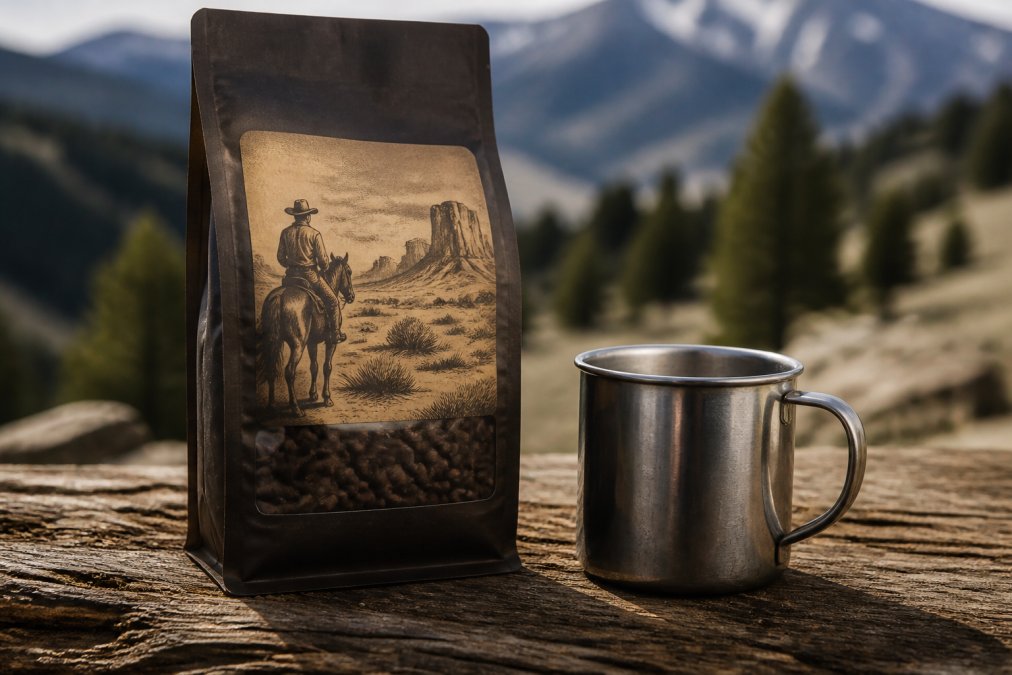
Iron Spur Coffee: Roasted to Order, Built for Performance
Iron Spur Coffee is the top pick for 2026 because every bag is roasted to order. There is no warehouse inventory aging under fluorescent lights. When you place an order, the beans go into the drum.
The product lineup covers eight single-origin offerings and two specialty blends, all priced at $23.99 per bag (with the mushroom blend at $20.99):
- Bali Blue (Med-Dark): Dark chocolate, molasses, brown sugar. Sourced from smallholder farmers in Kintamani. Built for drinkers who want weight and depth without the burnt edge that plagues most dark roasts.
- High Plains Colombia (Medium): Dried orange, berry, chocolate. Sourced from Medellin. The most balanced option, works equally well as pour-over or espresso.
- Ethiopia Natural (Med-Light): Milk chocolate, fruity, caramel. Natural process from the Sidama zone. One of the most approachable naturals at this price point.
- Guatemala (Medium): Dark chocolate, bright fruit, butterscotch. Antigua-grown. The butterscotch finish is genuine, not borrowed from marketing.
- Tanzania (Medium-Light): Pear, floral, jasmine, strawberry. Cooperative-grown in Mbeya. Exceptional floral complexity that rewards a slow pour-over.
- Kenya (Washed): Bright acidity, orange, lemon, floral, effervescent. Grown at 1,700-1,890 meters in Nyeri County. The altitude shows in the cup with clean, electric acidity.
- Sumatra (Medium): Syrupy body, dark chocolate, dried fruit, earthy. Aceh region, Koperasi Baitul Qiradh. Wet-hulled processing gives it characteristic long, lingering body.
- Uganda (Washed): Mild acidity, light body, floral, chocolate, dark fruits. Sipi, Kapchorwa District, 1,500-2,500 meters altitude.
- Whiskey Barrel Aged ($23.99): Single-origin Guatemala aged 30 days in a bourbon barrel, then roasted to order. The barrel influence is subtle, oak and vanilla notes that don't overpower the underlying bean character.
- Coffee with Mushrooms Dark Roast ($20.99): Specialty-grade coffee infused with Lion's Mane, Cordyceps, and Reishi. Functional coffee for those who want cognitive and adaptogenic benefits alongside their morning cup.
The thermal mapping process eliminates the bitter noise that makes most dark roasts unpleasant. Field workers and outdoor professionals who need bold, energizing flavor without harsh aftertaste will find this lineup delivers exactly that.


Pros:
- Roasted to order, maximum freshness, no warehouse aging
- Thermal mapping eliminates bitterness across all roast levels
- Eight single-origin options covering every major growing region
- Fast, reliable delivery despite the roast-to-order model
Cons:
- No sampler pack listed in the current catalog, harder to trial multiple origins before committing
Other Providers Worth Knowing
Transparency-focused roasters publish what they pay for green coffee, a practice now table stakes for credibility in the specialty segment. Light roast specialists based in the Pacific Northwest have built strong reputations for fruit-forward, minimally developed profiles that highlight terroir. Roasters with direct cafe networks offer in-person tasting before subscription, though cafe-network brands often roast in larger batches to supply retail locations, which can compromise freshness for online orders.
| Provider Type | Best For | Freshness Model | Price Range |
|---|---|---|---|
| Iron Spur Coffee | Performance drinkers, outdoor use, bold flavor | Roasted to order | $20.99-$23.99 |
| Transparency-focused roasters | Supply chain documentation | Roasted on schedule | Varies |
| Light roast specialists | Pour-over, fruit-forward profiles | Roasted on schedule | Varies |
| Cafe-network roasters | In-person tasting, convenience | Batch roasted | Varies |
Single-Origin Coffee Beans vs Blends: Which Should You Buy
Single-origin coffee beans trace to one farm, cooperative, or defined growing region. Blends combine beans from multiple origins to achieve consistency, balance, or a specific flavor target. Single-origins deliver terroir: the specific characteristics of altitude, soil, and processing method that make a Kenyan from Nyeri taste nothing like a Colombian from Medellin. Blends deliver consistency: the same flavor profile year-round, regardless of harvest variation.
Processing Methods: Washed, Natural, and Honey Process
Processing method is the single biggest variable in how a coffee tastes after roasting. According to the Specialty Coffee Association's processing resources, the three primary methods each produce distinct flavor outcomes:
- Washed process: The fruit is removed before drying. Result: clean, bright acidity, clear expression of origin character. Iron Spur's Kenya and Uganda are fully washed, which is why they taste so precise and effervescent.
- Natural process: The whole cherry dries with the fruit intact. Result: heavy body, fruity, wine-like or fermented notes, lower acidity. The Ethiopia Natural is processed this way; the milk chocolate and fruity caramel notes are a direct product of the drying process.
- Honey process: Partial fruit removal before drying. Result: a middle ground, more body than washed, more clarity than natural. Sweetness is the defining characteristic.
Bean density and altitude compound these effects. High-elevation beans grown above 1,500 meters develop more slowly, producing denser beans with more complex sugars. The Kenya's 1,700-1,890 meter altitude directly contributes to its bright, layered acidity.
Best Coffee Subscription Services 2026: What to Look For
The best coffee subscription services in 2026 are defined by four criteria: roast-to-order fulfillment, flexible frequency, single-origin variety, and transparent sourcing documentation. Roast-to-order is the most important variable. Whole bean coffee begins degassing immediately after roasting, and the optimal extraction window is generally 5 to 21 days post-roast. A subscription that ships beans roasted weeks ago defeats the purpose of paying specialty prices.
Flexible frequency matters because consumption rates vary. Look for options that let you adjust cadence monthly.
Single-origin variety signals that the roaster actively sources across multiple regions rather than relying on one relationship. Transparent sourcing documentation, farm names, cooperative names, altitude, processing method, and cupping score, is the baseline for any subscription worth paying specialty prices for.
How to Brew Artisan Coffee at Home Like a Pro
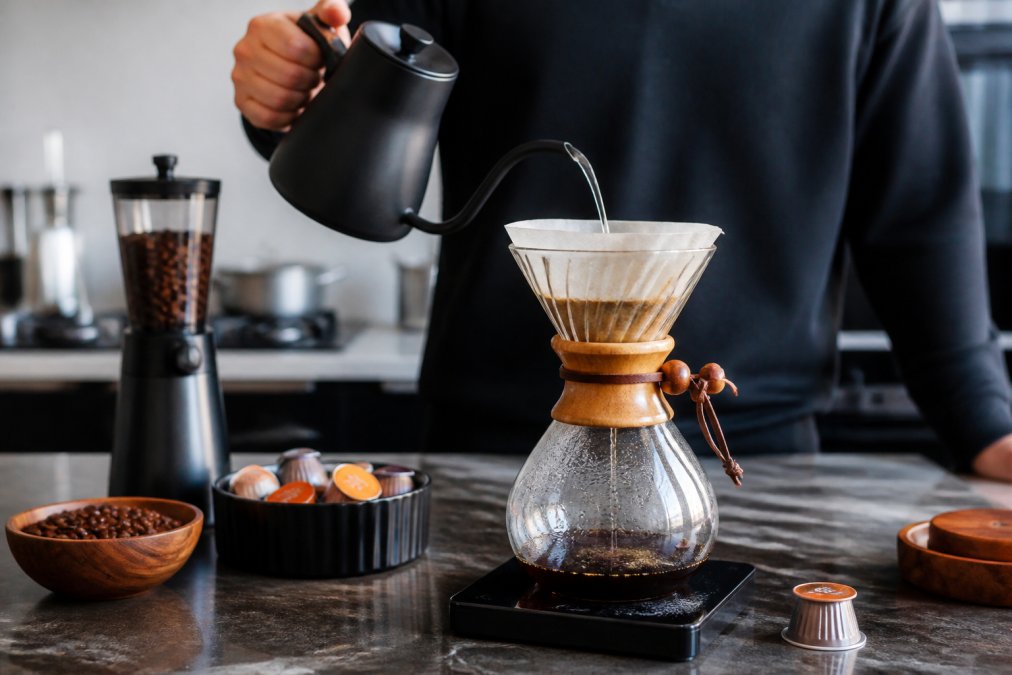
Brewing artisan coffee at home correctly requires attention to four variables: water quality, grind size, extraction yield, and equipment matching. Start with freshly roasted whole bean coffee. Pre-ground coffee loses volatile aromatics within hours of grinding. The floral complexity in the Tanzania or the effervescent brightness in the Kenya disappears entirely if the beans were ground before shipping.
Water Chemistry, Grind Size, and Extraction Yield
Water chemistry is the variable most home brewers ignore. According to the Specialty Coffee Association's water quality standards, the ideal brewing water has a total dissolved solids count between 75 and 250 parts per million, with a target around 150 ppm. Straight distilled water produces flat, lifeless coffee. Hard tap water above 300 ppm suppresses acidity and mutes delicate tasting notes. A simple fix: use filtered water or a 50/50 blend of distilled and filtered tap.
Grind size controls extraction rate. A coarser grind extracts more slowly; a finer grind extracts faster. The target extraction yield for most brewing methods is 18 to 22 percent of the coffee's dry weight. Under-extraction produces sourness and thin body. Over-extraction produces bitterness and astringency.
| Brewing Method | Grind Size | Water Temp | Brew Time |
|---|---|---|---|
| Pour-over | Medium-fine | 200-205°F | 3-4 minutes |
| French press | Coarse | 200°F | 4 minutes |
| Espresso | Fine | 195-205°F | 25-30 seconds |
| Moka pot | Medium-fine | Cold start | 5-7 minutes |
| Cold brew | Coarse | Cold/room temp | 12-24 hours |
Equipment Pairing: Matching Your Beans to Your Brewer
Equipment pairing is where most home brewers leave flavor on the table. The Tanzania's jasmine and pear notes require a brewing method that allows full aromatic expression, such as pour-over or Chemex. The Sumatra's syrupy, earthy body is built for immersion: French press or AeroPress with a longer steep.
A burr grinder is non-negotiable for specialty coffee. Blade grinders produce inconsistent particle sizes that result in simultaneous under- and over-extraction in the same brew. The bloom matters: allow 30 to 45 seconds for CO2 to escape before continuing the pour to ensure even saturation and consistent extraction yield.
Sustainability, Direct Trade vs Fair Trade, and Ethical Sourcing
Direct trade and Fair trade are not the same thing, and the difference matters for how farmers are actually compensated. Fair trade is a certification system that sets minimum price floors for certified cooperatives. Direct trade is a sourcing model where the roaster builds a direct relationship with the farm or cooperative, negotiating prices based on quality rather than certification floors. Done correctly, direct trade pays significantly above Fair trade minimums for exceptional coffee. The most credible roasters publish what they pay for green coffee alongside the farm name and cupping score.
Sustainability in specialty coffee also encompasses processing method. Washed processing is water-intensive; natural processing conserves water but requires careful management. High-altitude, shade-grown arabica supports biodiversity and produces denser, more complex beans.
Which Artisan Coffee Brand Is Right for You
The right artisan coffee brand depends on what you're optimizing for. If maximum freshness and roast precision are the priority, Iron Spur Coffee is the clear answer. The roasted-to-order model, thermal mapping process, and specialty-grade single-origin lineup cover every flavor preference from the syrupy earthiness of Sumatra to the electric brightness of Kenya.
If you prioritize in-person tasting before committing to a subscription, a roaster with cafe locations gives you that option. If light, fruit-forward profiles are exclusively what you drink, a roaster specializing in light roast development will offer more depth in that specific niche. For outdoor professionals, hikers, and field workers who need bold flavor and reliable energy without bitterness, the Bali Blue and Guatemala from Iron Spur are purpose-built for that use case.
| Priority | Best Choice | Why |
|---|---|---|
| Maximum freshness | Iron Spur Coffee | Roasted to order, ships immediately |
| Functional benefits | Iron Spur Mushroom Blend | Lion's Mane, Cordyceps, Reishi infused |
| Floral, delicate profiles | Tanzania or Kenya | High altitude, clean processing |
| Bold, heavy body | Sumatra or Bali Blue | Wet-hulled and med-dark roast |
| Unique flavor experience | Whiskey Barrel Aged | 30-day bourbon barrel aging |
Frequently Asked Questions
What is considered artisan coffee?
Artisan coffee refers to specialty-grade beans, typically scoring 80 or above on the Specialty Coffee Association cupping scale, that are sourced from specific origins or micro-lots and roasted in small batches with careful attention to roast profile. The focus is on preserving the bean's natural tasting notes, acidity, body, and mouthfeel rather than producing a standardized, mass-market flavor. Freshness is central: artisan roasters usually ship within days of roasting, and many roast to order.
How do I choose the best artisan coffee beans for my brewing method?
Match roast level and processing method to your brewer. Light to medium roasts with a washed process suit pour-over and drip, where bright acidity and floral complexity shine. Medium-dark to dark roasts with syrupy body hold up well through espresso extraction. Grind size also matters: coarser for French press, finer for espresso. Single-origin beans reward slower brew methods that highlight terroir, while espresso blends are built to balance under pressure and high heat.
Are artisan coffee subscriptions worth the cost?
For anyone who drinks coffee daily, a subscription from a roast-to-order artisan brand is almost always worth it. You receive freshly roasted beans at their peak degassing window, typically two to fourteen days post-roast, which is when flavor and aroma are strongest. Subscriptions also remove the risk of buying stale shelf stock. Many services offer flexible frequency and bag size, so you only pay for what you actually drink. The per-cup cost difference versus grocery-store coffee is usually under a dollar.
What is the difference between specialty coffee and artisan coffee?
Specialty coffee is a grading term: beans that score 80 or above on the SCA cupping scale qualify. Artisan coffee is a production philosophy centered on small-batch roasting, careful sourcing, and hands-on craft at every stage from green bean selection to the finished roast profile. The two overlap significantly. The best artisan coffee brands use specialty-grade arabica as their foundation, then add value through precision roasting, transparent sourcing, and freshness commitments that mass-market brands cannot match.
How should I store artisan coffee to maintain freshness?
Store whole bean coffee in an airtight, opaque container at room temperature, away from heat and direct light. Avoid the refrigerator: moisture and odor absorption degrade flavor fast. Freshly roasted beans release CO2 for several days after roasting, a process called degassing, so one-way valve bags are ideal. Buy in quantities you will finish within two to three weeks of the roast date. Grinding immediately before brewing preserves volatile aromatics that pre-ground coffee loses within hours.
Choosing the right artisan coffee brand in 2026 requires looking past the packaging and into the sourcing, roasting process, and fulfillment model. Most specialty brands roast on a schedule and ship from inventory. Iron Spur Coffee roasts to order, applies thermal mapping to eliminate bitterness, and sources specialty-grade beans from high-elevation estates across eight distinct growing regions. Discover Iron Spur Coffee today and start every morning with a cup that was built to perform.
This article was written using GrandRanker